"Vogliamo rendere il movimento per il clima in Israele-Palestina molto più politico "

Per gli attivisti palestinesi e israeliani di One Climate, l’unico modo per combattere il cambiamento climatico è legarlo alla lotta contro l’occupazione.
Fonte: english version
Di Judith Sudilovsky – luglio 12, 2021
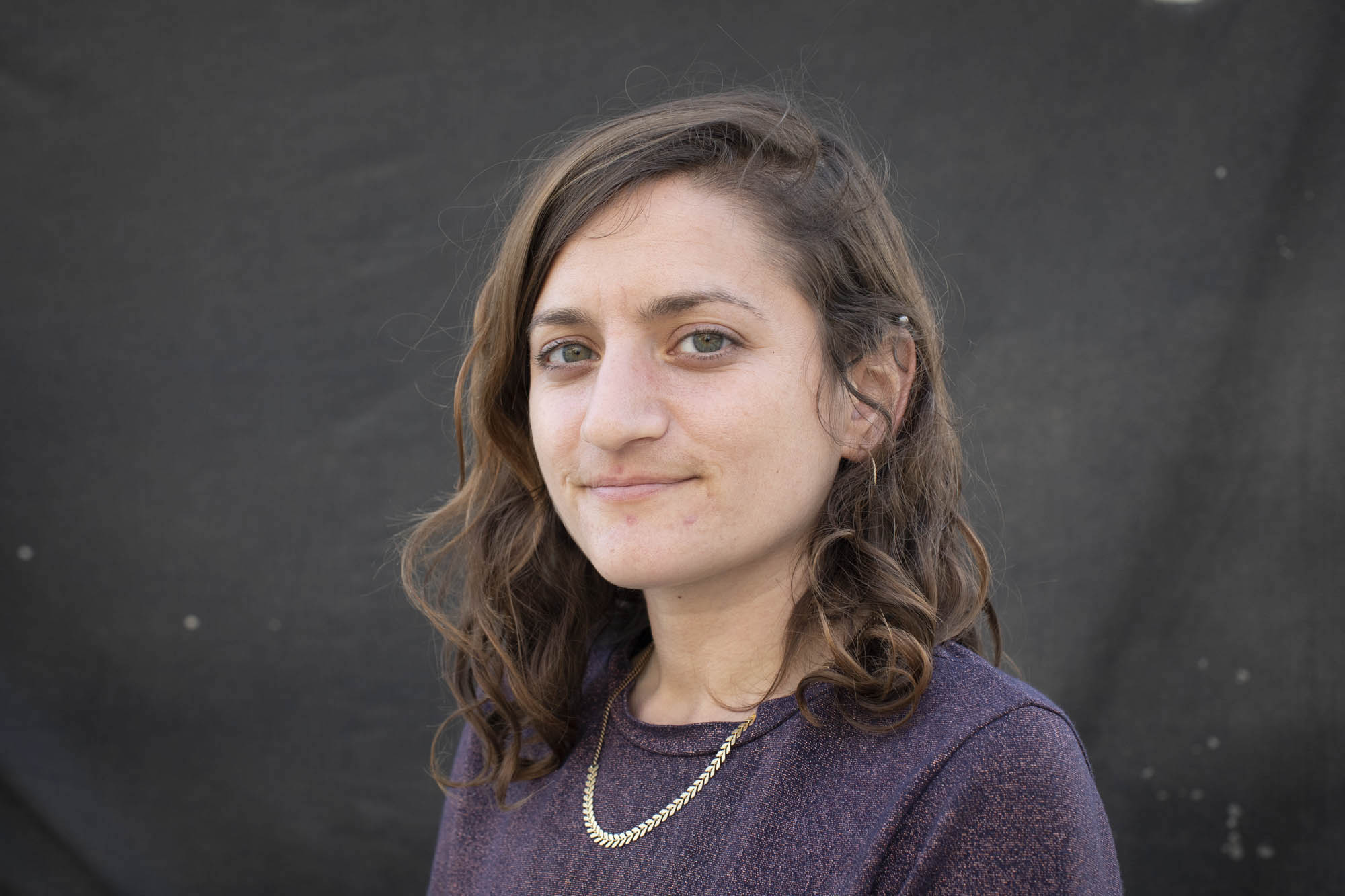
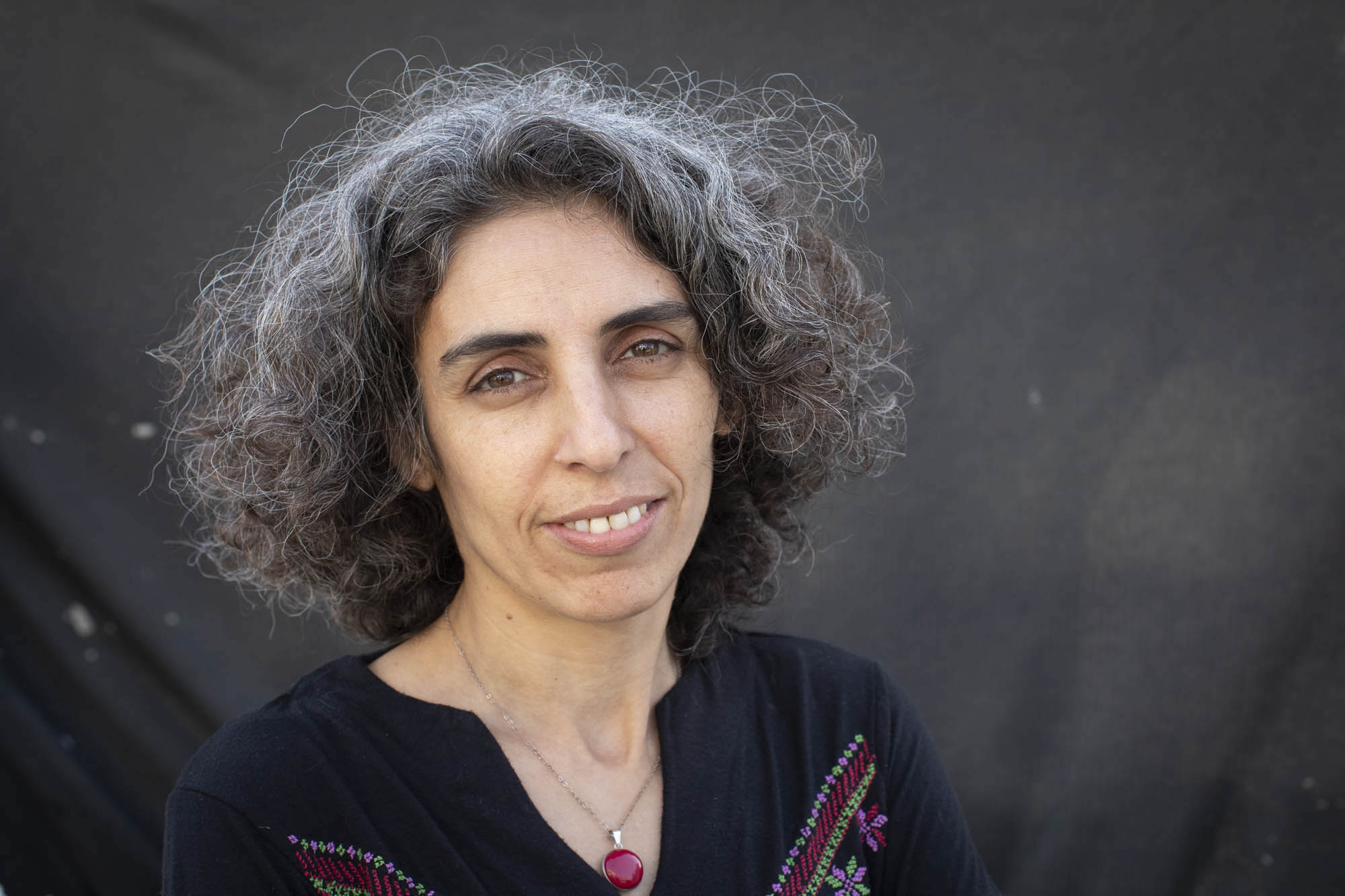
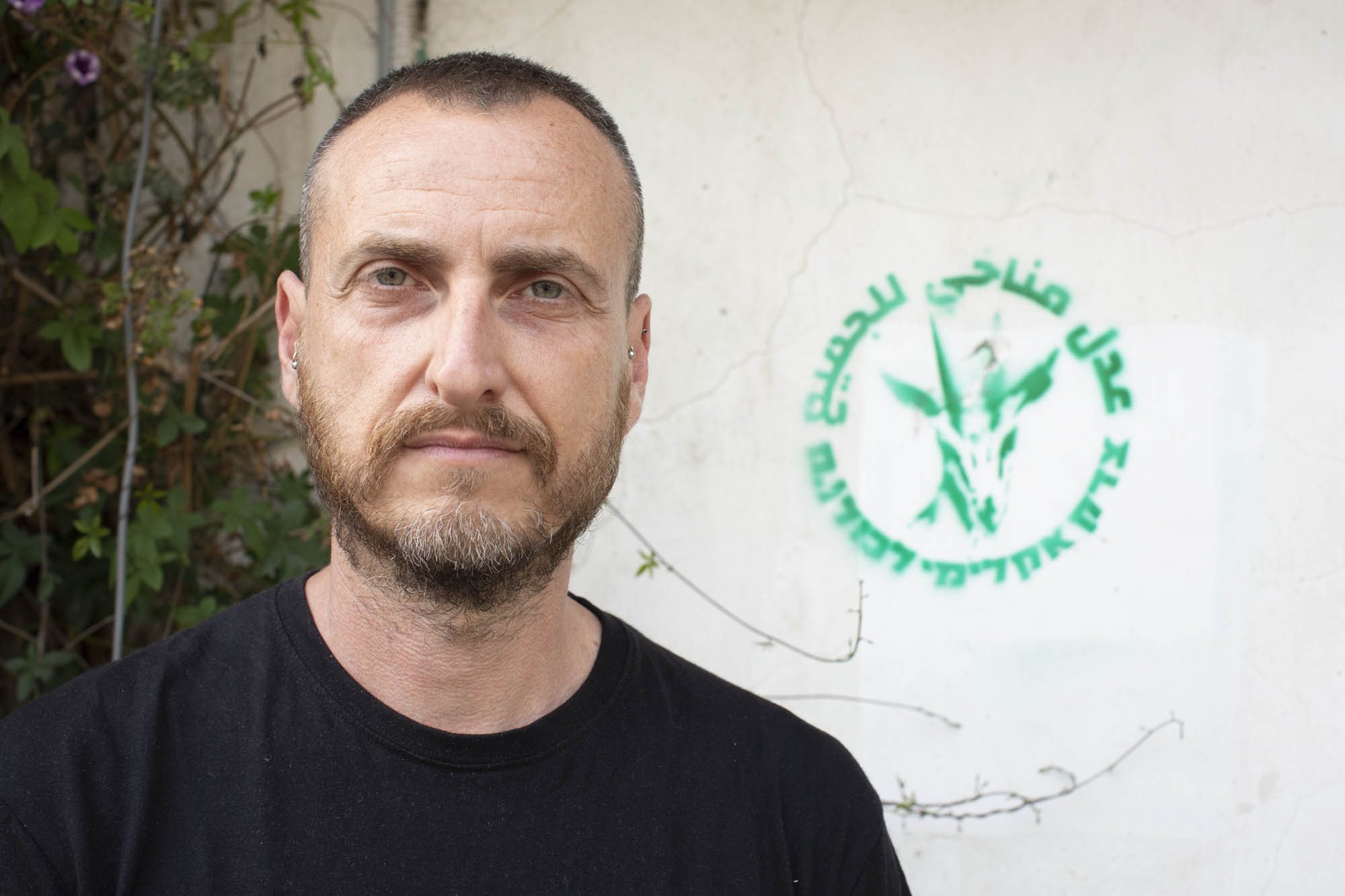
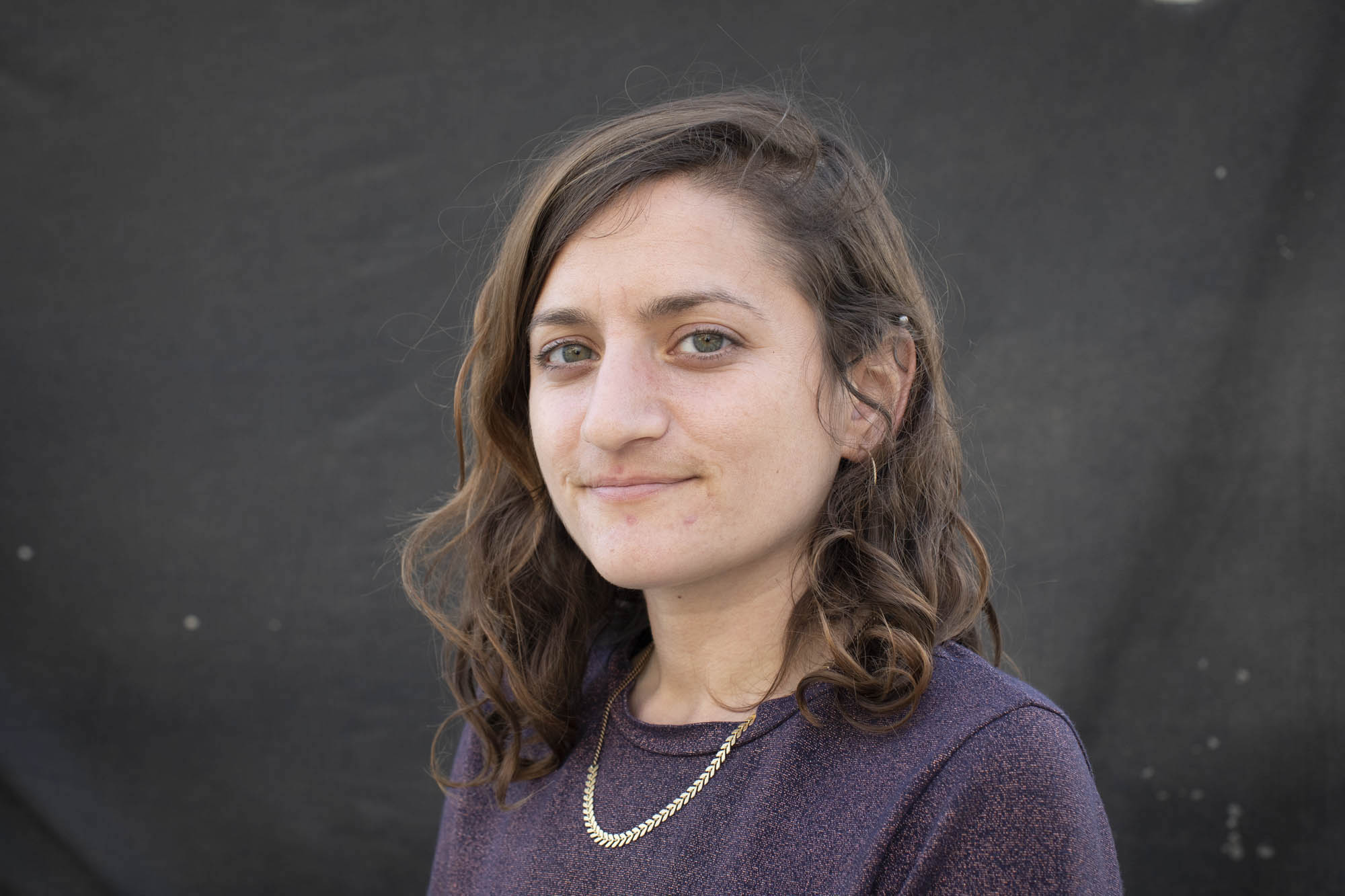
I membri di One Climat Mor Gilboa (a sinistra), Muna Shaheen (al centro) e Ya’ara Peretz (a destra). (Oren Ziv)
Nelle colline a sud di Hebron, nella Cisgiordania occupata, il villaggio palestinese di Umm al-Kheir è stato stretto tra la zona residenziale e gli allevamenti di polli intensivi dell’insediamento di Carmel. Le linee elettriche delle residenze israeliane si estendono sopra la comunità beduina mentre i tubi dell’acqua freatica corrono sotto, fornendo energia e acqua ai pollai di Carmel dall’altra parte del villaggio, aggirando ordinatamente i residenti palestinesi che non hanno acqua corrente e non sono collegati ad alcuna rete elettrica.
Carmel è stata fondata nel 1981 su un terreno che apparteneva a Umm al-Kheir, che a sua volta è stato costruito su un terreno acquistato dai palestinesi della vicina città di Yatta, dopo che Israele espulse le comunità beduine dal deserto di Arad nei primi anni ’50.
Umm al-Kheir è stata una delle tappe di un tour pilota dell’area effettuato il 19 aprile da One Climate, un nuovo gruppo di giustizia ambientale che lavora per promuovere la consapevolezza dell’impatto ecologico dell’occupazione israeliana, insieme al gruppo anti-occupazione Breaking the Silence. Il tour, pianificato per un gruppo di israeliani, includeva una panoramica dei diversi caseifici della zona e incontri con attivisti della comunità palestinese.
“L’effetto dell’ingiustizia climatica può essere sentito su tutta la terra tra il fiume e il mare”, ha detto Yuli Gershoni, uno dei fondatori di One Climate, durante una tappa del tour presso il caseificio Beit Yattir. “È un ecosistema biologico molto ricco posizionato tra Asia, Africa ed Europa, molto sensibile ai cambiamenti ambientali”, ha continuato. Le strade, i posti di blocco e i muri costruiti per servire gli insediamenti impattano sulla flora della zona, ha aggiunto. Influenzano anche le rotte migratorie degli uccelli selvatici e disturbano i loro siti di nidificazione naturali.
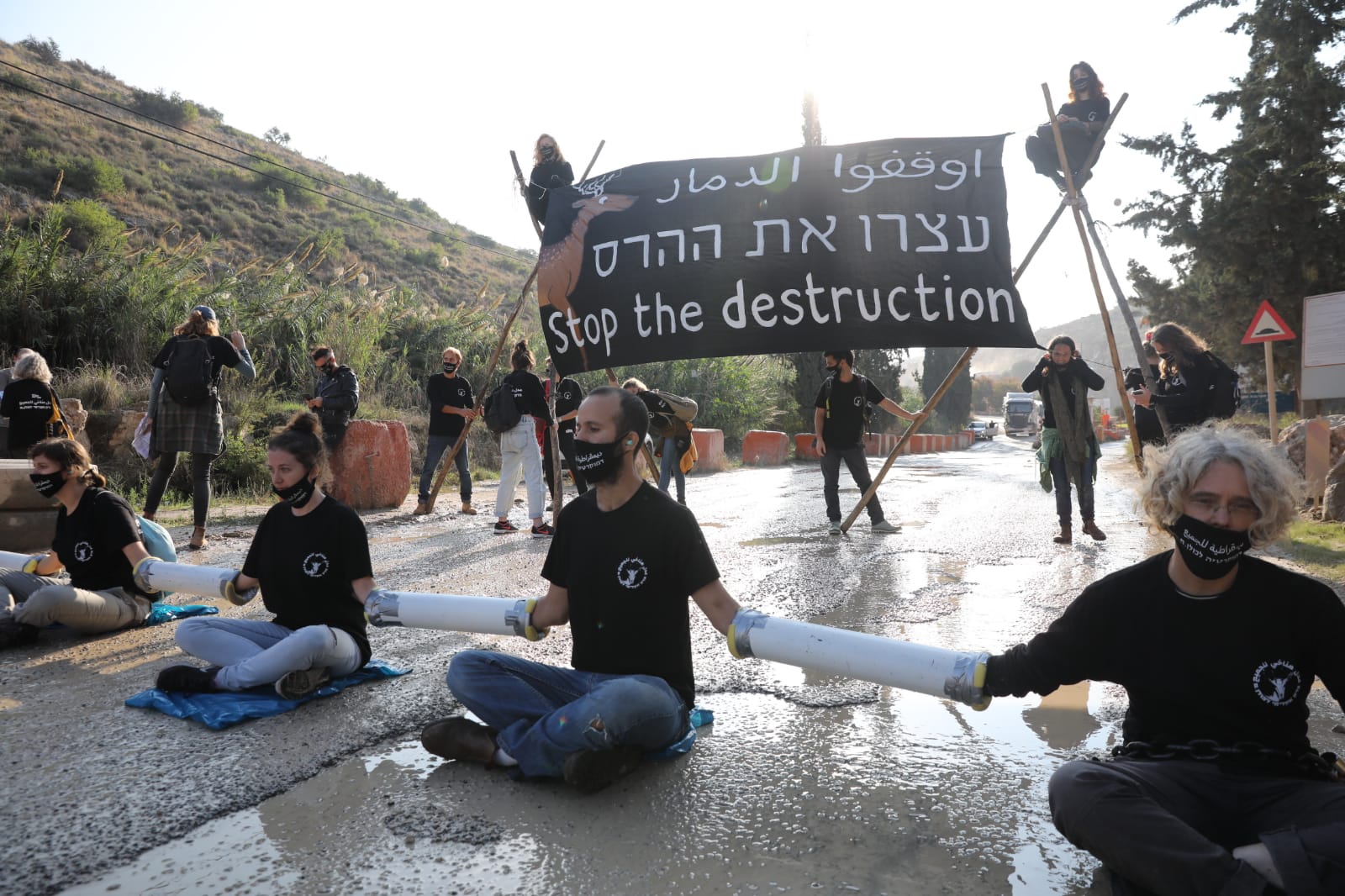
I fondatori di One Climate hanno iniziato a organizzare dibattiti su Zoom all’inizio della pandemia di COVID-19. Nel settembre 2020, tra un lockdown e l’altro, hanno tenuto uno dei loro primi tour nell’area di Sha’ar Shomron, a est di Kufr Qasem e Rosh Ha’ayin, dove il consiglio locale ha approvato un piano per costruire un esteso cimitero ebraico. Altri piani sono in cantiere per espandere una cava esistente e creare una zona industriale di 3000 dunam in un’area naturale incontaminata nelle vicinanze. Il gruppo ha tenuto una manifestazione contro l’espansione della cava con la partecipazione di attivisti ambientalisti e anti-occupazione. Una petizione contro l’espansione ha raccolto 100 firme ed è stata accompagnata da petizioni legali da parte di Combatants for Peace e dall’Arava Institute for Environmental Studies.
“Stiamo cercando di sensibilizzare gli israeliani che non sanno cosa sta succedendo qui. Molte persone non si rendono conto che esiste una connessione tra il cambiamento climatico e l’occupazione”, ha affermato Mor Gilboa, un veterano attivista ambientale e anti-occupazione e co-fondatore di One Climate. Mentre le temperature in tutto il mondo stanno aumentando di 1,1 gradi Celsius, in Israele e nei suoi dintorni, secondo un rapporto del 2019 dell’Israel Meteorological Service, tra il 1950 e il 2017 sono aumentate di quasi 1,5 gradi, ha spiegato Gilboa, sottolineando l’interconnessione con la regione dell’intero Medio Oriente. In un recente rapporto, il ministero dell’Ambiente israeliano ha previsto un riscaldamento di 4 gradi entro la fine del secolo, ha aggiunto.
Molte leggi ambientali che si applicano in Israele non si applicano in Cisgiordania, ha osservato Muna Shaheen, co-fondatrice di One Climate. “Stiamo tutti condividendo le stesse risorse, la stessa aria, la stessa acqua, le stesse temperature. Quindi, per esempio, se prendi dei materiali che non possono essere bruciati qui in Israele e poi li bruci in Cisgiordania, a due ore da casa mia, e abusi di quell’area, non fa molta differenza per l’ambiente”, ha detto. Israele si prende cura dell’ambiente all’interno dei suoi confini, ha continuato Shaheen, ma tratta la Cisgiordania come una “discarica di rifiuti, con una totale mancanza di considerazione per le persone che ci vivono”.
‘Presto, nascondi la plastica!’
Shaheen è da tempo interessata all’ambiente, in particolare alla sensibilizzazione sui diritti degli animali. Formatasi come veterinaria, ha lavorato con l’ONG per i diritti degli animali HaKol Chai nel loro programma “Ampliare i circoli della compassione” attuato in 12 scuole arabe, cercando di aumentare la consapevolezza e la compassione verso gli animali come un modo per ridurre la violenza nella società. Shaheen è rimasta con l’organizzazione per tre anni e alla fine ha iniziato a parlare dell’impatto dei cambiamenti ambientali sugli animali selvatici.
Shaheen ha notato che mentre lei si è sempre più interessata alle questioni ambientali, “alla maggior parte delle persone nella sua comunità la questione non importava molto. Era come se ci fosse una lotta continua: ‘Oh Muna è qui – presto, nascondi la plastica!’”
Quando i fondi per il programma HaKol Chai si sono esauriti, Shaheen è stata messa in contatto con Gilboa e i due hanno discusso di unire le forze per creare One Climate.
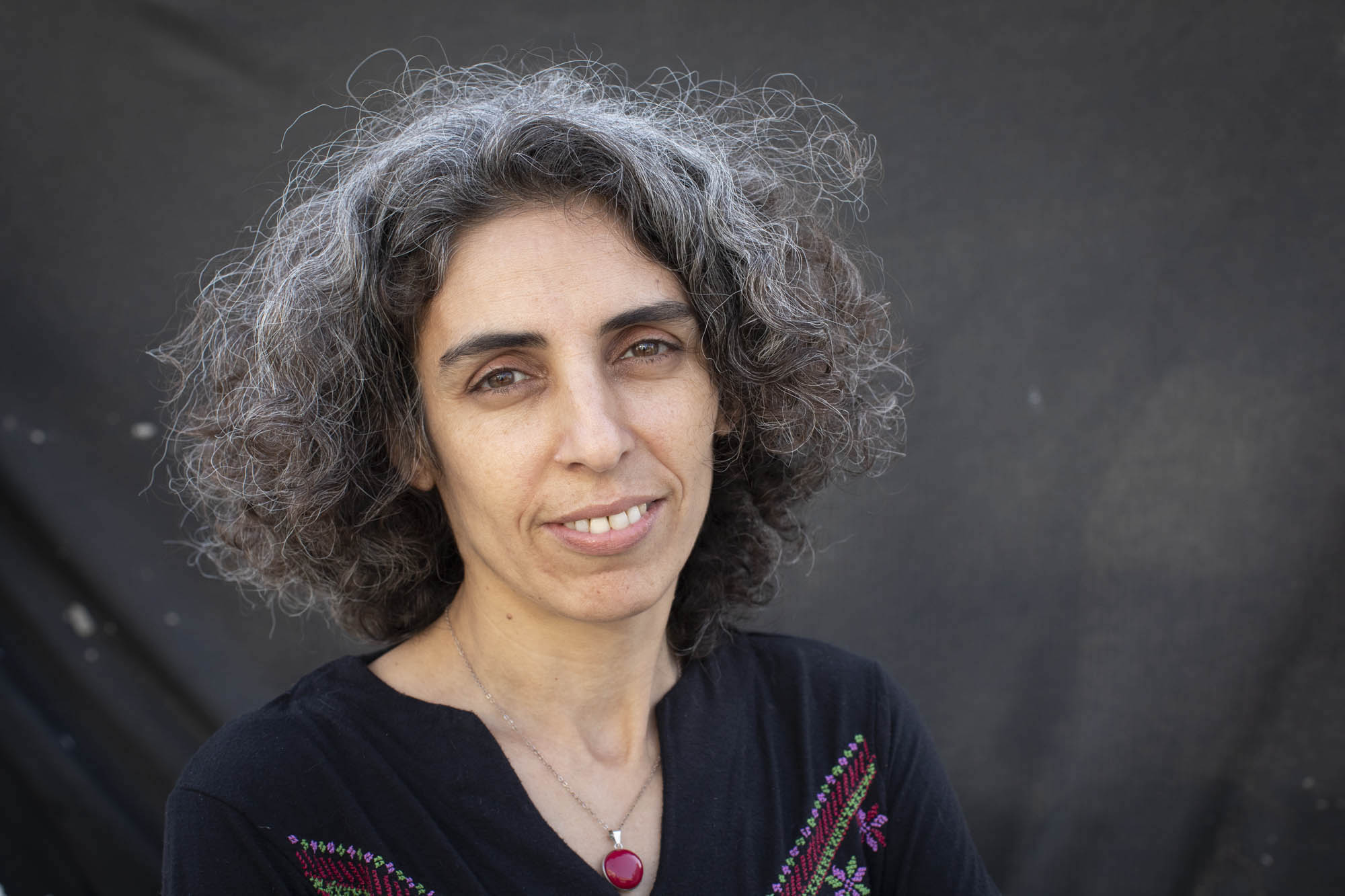
“Se guardo alla mia comunità, l’attivismo più forte è politico, quindi il mio pensiero iniziale era di creare una consapevolezza della connessione tra attivismo politico e clima”, ha detto Shaheen. “Non sto allontanando le persone dalle questioni politiche per portarle verso le questioni ambientali, ma sto sottolineando l’importanza della situazione climatica. Per me, parlando con il cuore, la mia principale preoccupazione è per l’ambiente, non sapendo se ci sarà un posto dove i miei figli potranno vivere e con gli animali che si estinguono così rapidamente.
Riconosce tuttavia che l’influenza dei sistemi politici sull’ambiente non può essere trascurata, sia a livello globale che locale.
“Il capitalismo globale in cui stiamo vivendo crea un meccanismo in cui le risorse vengono utilizzate in un modo incredibile”, ha continuato Shaheen. “E qui, il colonialismo combinato con il capitalismo crea una situazione che consente al governo israeliano di sfruttare maggiormente le risorse anche se ci troviamo in un’area molto sensibile e a rischio di sparizione”.
Per Gilboa, 47 anni, stabilire un collegamento tra l’occupazione e l’ambiente è stata una conseguenza naturale dell’attivismo politico in cui è stato coinvolto fin dall’infanzia. Da ragazzo ha letto tutto quello che poteva sull’occupazione, e alle elementari ha presentato alla sua classe un progetto sulla Prima Intifada scoppiata alla fine degli anni ’80.
Dopo una lotta durata anni con l’esercito israeliano per essere esonerato dal servizio di riserva, in seguito al suo rifiuto di prestare servizio come medico nei territori occupati, Gilboa è diventato un attivista sociale ed è passato alla difesa dell’ambiente nel periodo in cui sono iniziate le proteste per la giustizia sociale del 2011 in Israele. Da lì, ha iniziato a lavorare all’intersezione tra giustizia ambientale e sociale come direttore esecutivo dell’ONG ambientale Green Course. In quel ruolo, ha anche iniziato a osservare la situazione in Cisgiordania.
Attraverso il suo forte legame con sua nonna, una sopravvissuta all’Olocausto, Gilboa ha affermato di essere sempre stato sensibile all’oppressione degli altri.
“Nei territori occupati ho visto accadere molte cose dannose per l’ambiente che se fossero accadute in Israele, tutti gli ambientalisti avrebbero combattuto contro di esse. Ma poiché stavano accadendo in Cisgiordania, nessuno ne era a conoscenza”, ha detto Gilboa. “Era ovvio che il mio prossimo passo sarebbe stato in questa direzione, ma non mi era chiaro in che modo».
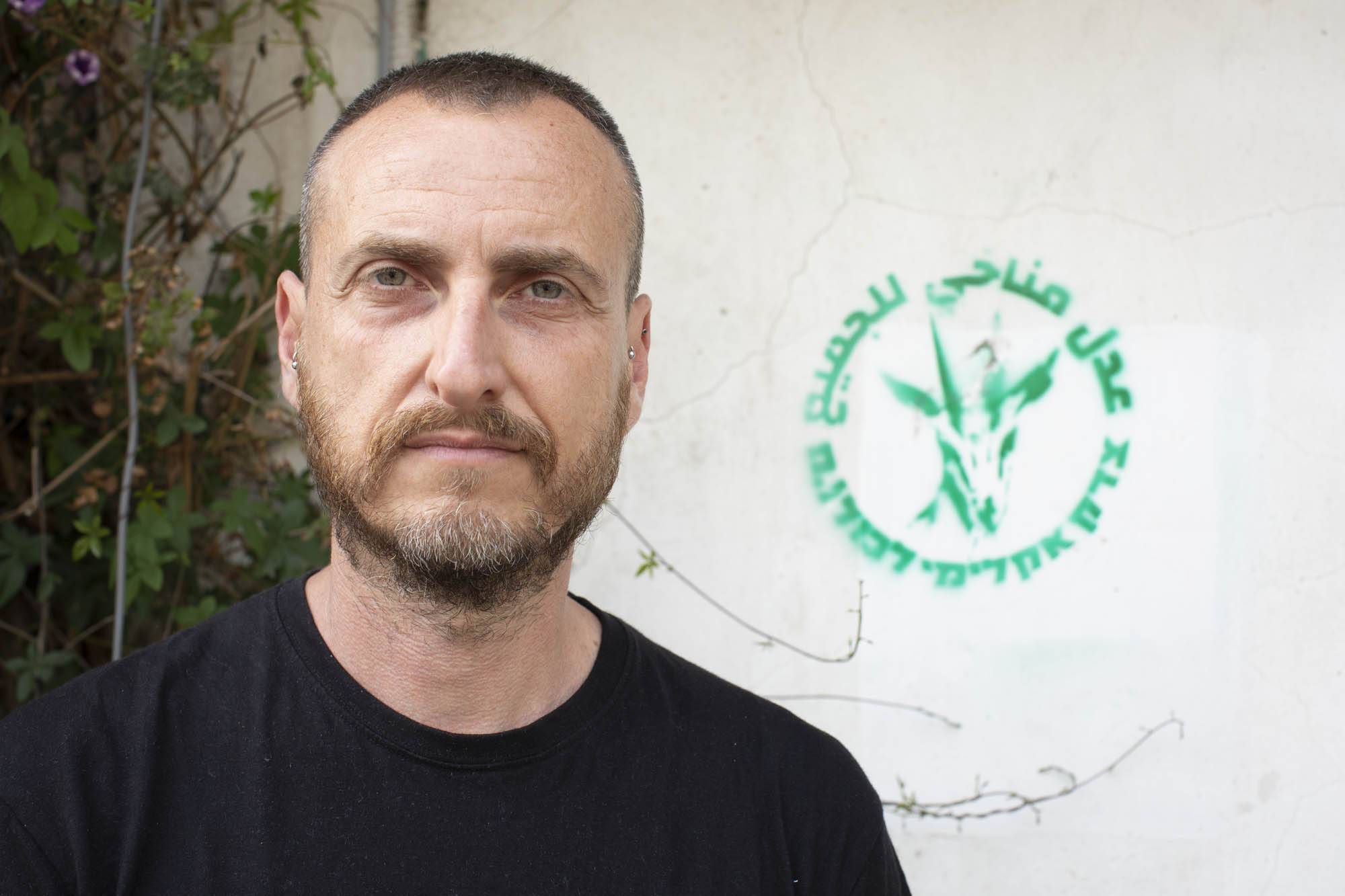
Dopo aver lasciato Green Course nel 2019, Gilboa, insieme ad attivisti che la pensano allo stesso modo, ha iniziato a unire il suo attivismo anti-occupazione a quello ambientale. Per lui, One Climate è un’opportunità per cercare una nuova via. “Sono ancora in viaggio per capire come sarà”, ha detto. “Abbiamo iniziato con One Climate un anno fa e stiamo sempre di più imparando come possiamo svolgere un lavoro significativo su questo problema”.
“Come occupanti dobbiamo assumerci la responsabilità di quello che sta succedendo”
La politica degli insediamenti israeliani in Cisgiordania ha sistematicamente causato danni ambientali sin dal suo inizio, ha affermato Gilboa. Ciò include le questioni relative alla confisca delle terre, che riduce lo spazio disponibile per i pastori palestinesi e le loro mandrie e porta al pascolo eccessivo; il controllo delle fonti d’acqua; la distruzione dei corridoi ecologici con la costruzione del muro di separazione; atti vandalici da parte dei coloni nei frutteti e la creazione di grandi caseifici che inquinano l’ambiente.
I relatori, durante il tour One Climate, hanno notato che l’occupazione ostacola l’accesso dei palestinesi alle fonti d’acqua, con i coloni che si stanno impossessando delle sorgenti naturali su cui i contadini palestinesi hanno tradizionalmente fatto affidamento. Queste sorgenti sono spesso utilizzate per nuotare e talvolta vengono inquinate, anche se inconsapevolmente, dagli escursionisti ebrei-israeliani. Anche le acque reflue di insediamenti come Carmel confluiscono nei terreni agricoli palestinesi.
Inoltre, alcune fonti d’acqua si trovano all’interno di “zone di sicurezza” dichiarate da Israele, fatto che impedisce agli agricoltori palestinesi di raggiungerle e che spesso li costringe a trasferirsi. L’Amministrazione Civile – il ramo dell’esercito israeliano che governa i palestinesi nei territori occupati – distrugge inoltre le cisterne d’acqua con il pretesto che sono state costruite senza permesso. Israele rifiuta oltre il 98% delle richieste di permessi edilizi palestinesi nell’Area C della Cisgiordania, che è sotto il pieno controllo militare israeliano e comprende gran parte delle colline a sud di Hebron.
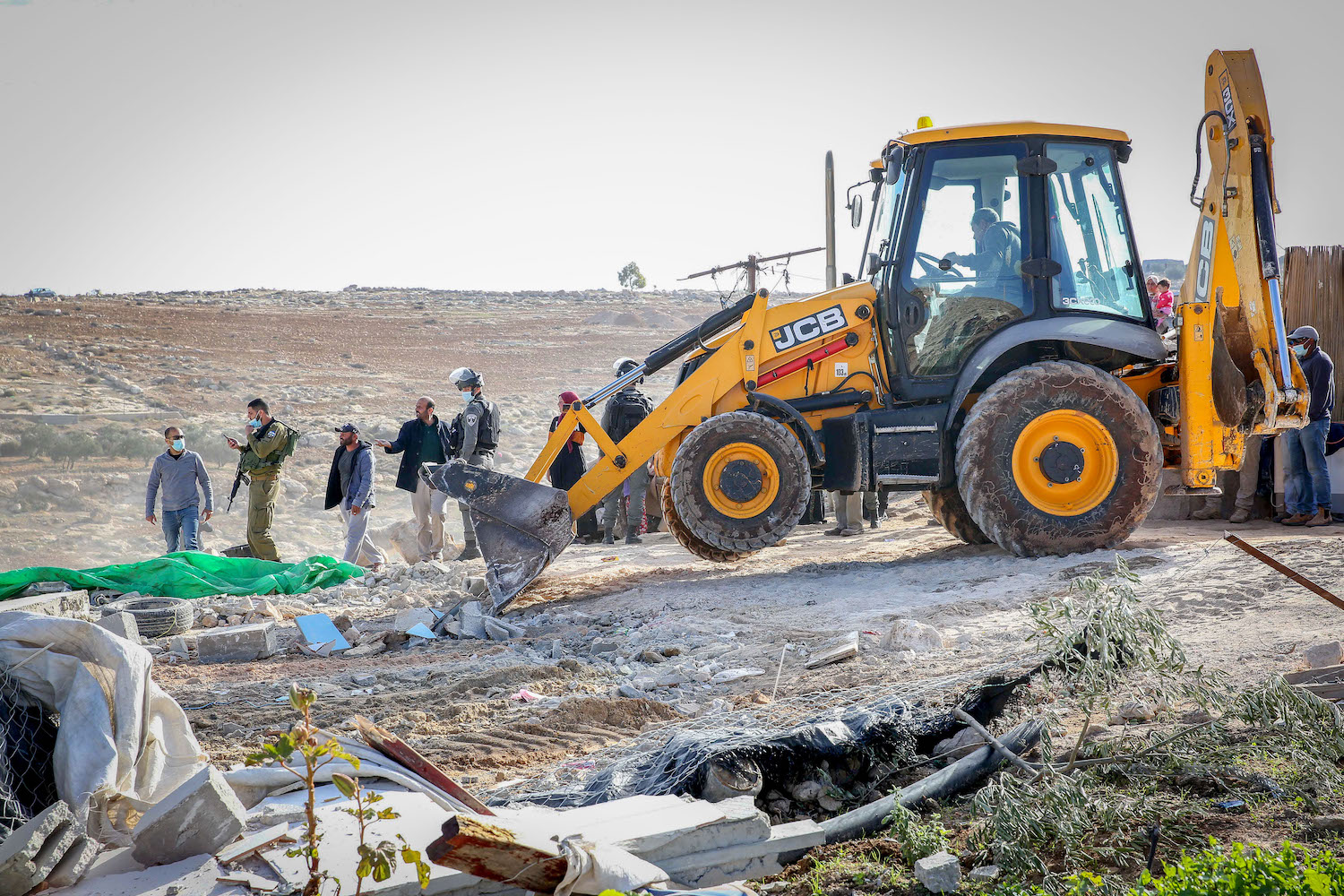
Con la crisi climatica che cambia la frequenza e l’intensità delle piogge, colture come il grano e l’orzo, con cui gli agricoltori palestinesi alimentano il loro bestiame, sono più difficili da coltivare utilizzando i metodi tradizionali di irrigazione con acqua piovana. Impedendo agli agricoltori di accedere a fonti idriche alternative, l’occupazione aggrava gli effetti della carenza d’acqua, ha affermato Becca Stober di Breaking the Silence, che ha contribuito a guidare il tour One Climate.
“Come parte dell’Occidente geografico stiamo contribuendo al cambiamento climatico e, naturalmente, come occupanti dobbiamo assumerci la responsabilità di ciò che sta accadendo in Cisgiordania”, ha osservato Strober. “In termini di cambiamento climatico, non esiste un gioco a somma zero. Quello che stiamo vedendo accadere in Cisgiordania, accadrà in Israele. È la stessa crisi».
A Wadi Qana, a est di Qalqilya, i contadini palestinesi hanno avuto i loro tradizionale approvvigionamento idrico e il loro modo di vivere distrutti dalla creazione di numerosi insediamenti nell’area, tra cui Emmanuel e Karnei Shomron, costruiti rispettivamente negli anni ’70 e ’80, ha osservato Gilboa. Fino al 2006, quando gli insediamenti furono finalmente collegati alle infrastrutture fognarie, gli insediamenti scaricavano le loro acque reflue nel torrente locale, inquinando le sorgenti e inquinando la fonte d’acqua. Secondo un rapporto di B’Tselem del 2015, i danni costrinsero circa 50 famiglie palestinesi ad abbandonare la loro terra e trasferirsi nel vicino villaggio di Deir Istiya,
Mentre il problema delle acque reflue è stato in seguito risolto parzialmente, la Civil Administration’s Nature Reserves and Parks Unit ha dichiarato l’area una riserva naturale, limitando l’uso del terreno da parte dei palestinesi e impedendo loro di costruire ed espandersi su di esso, osserva il rapporto. Inoltre, le trivellazioni idriche nell’area da parte delle autorità israeliane hanno ridotto il volume d’acqua nel torrente, danneggiando ulteriormente gli agricoltori palestinesi.
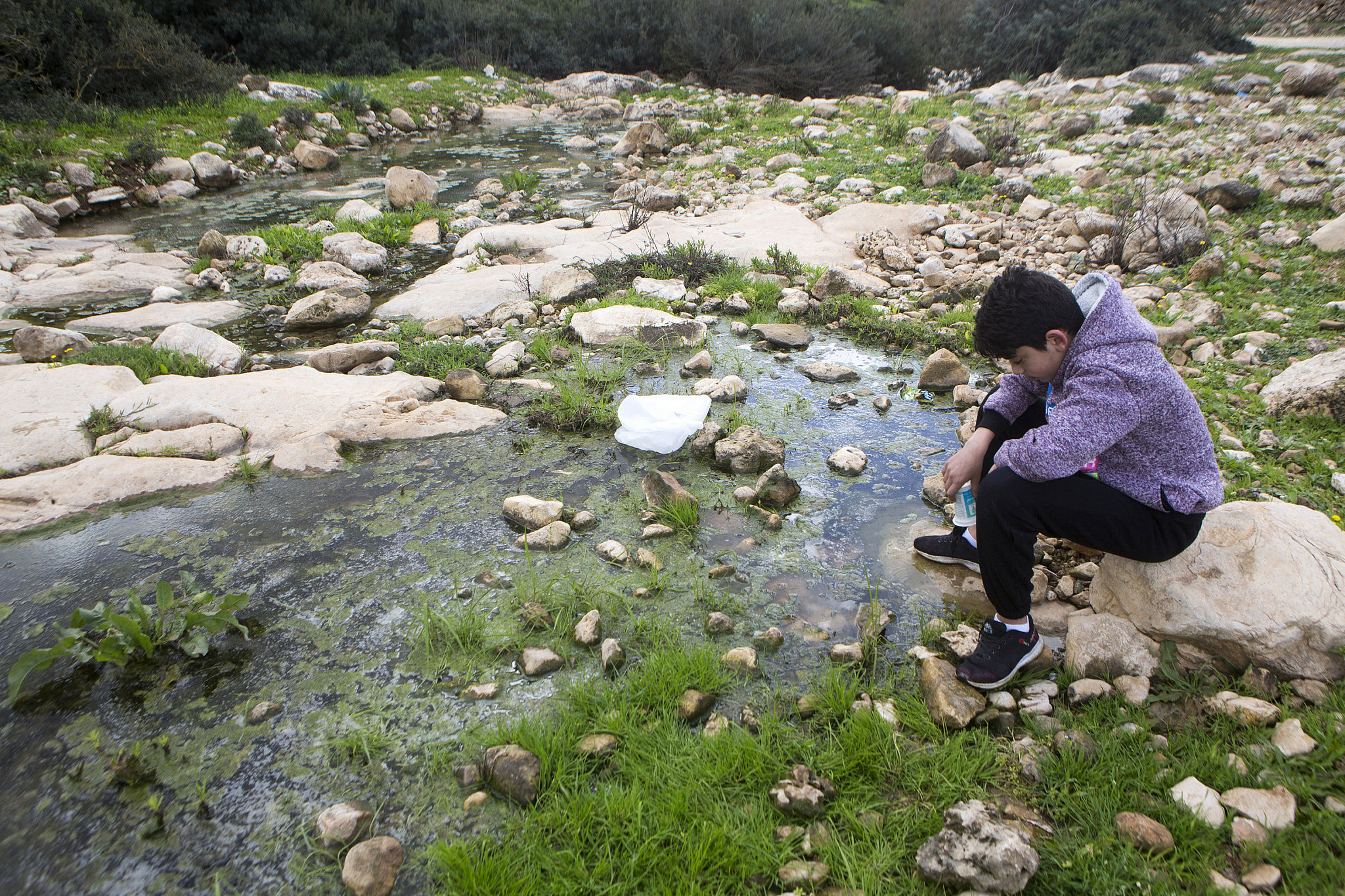
Nel 1995, gli Accordi di Oslo II istituirono un comitato idrico congiunto israelo-palestinese per gestire le infrastrutture idriche e fognarie nei territori occupati. Ma il comitato non funzionò fin dal suo inizio, ha affermato Gilboa. I palestinesi ritirarono la loro cooperazione nel 2010, perché Israele condizionava l’approvazione delle domande palestinesi all’approvazione delle infrastrutture di insediamento israeliane. Dopo una pausa di sei anni, nel 2016, Israele e l’Autorità Palestinese hanno firmato un accordo per rinnovare la cooperazione sullo sviluppo idrico dopo che i negoziati a porte chiuse avevano portato a una nuova serie di regole, che includevano che solo le domande palestinesi sarebbero state considerate.
“Questo è un approccio molto cinico, che usa l’ambiente come arma per rendere la vita dei palestinesi più difficile”, ha detto Gilboa. “Vogliamo rendere il movimento per il clima molto più politico e tenere conto delle tragedie climatiche che questa situazione politica ha creato”.
Allo stesso tempo, One Climate vuole coinvolgere movimenti contro l’occupazione e per i diritti umani che in Israele si concentrano sull’occupazione “ma sono totalmente ciechi alla crisi climatica che sta colpendo noi e il nostro futuro”, ha affermato. “Esporre la connessione tra i due ci sta rendendo molto più precisi e pertinenti nelle nostre richieste “.
“La natura non appartiene né agli israeliani né ai palestinesi”
A livello globale, coloro che sono più vulnerabili all’impatto della crisi climatica sono i membri di comunità oppresse la cui impronta ecologica è molto più piccola, osserva Ya’ara Peretz, un’attivista di One Climate. Questo vale anche in Israele-Palestina.
Nel 2013, una devastante tempesta invernale che lasciò gran parte di Gerusalemme senza elettricità rivelò quanto le comunità palestinesi emarginate siano esposte ai cambiamenti climatici. Molte case furono distrutte a Susiya, un villaggio nelle colline a sud di Hebron, dove famiglie sfollate più volte dal 1986 vivono ora in tende e capanne sgangherate sui loro terreni agricoli.
Israele lavorò rapidamente per ripristinare l’elettricità a Gerusalemme, ma nessuno andò ad aiutare i residenti di Susiya che vivono sotto il controllo israeliano, ha detto Peretz.
“Molti palestinesi, come i contadini di Susiya e di altri villaggi, spendono così tante energie nel semplice tentativo di sopravvivere che hanno poi pochissima energia per considerare le questioni ambientali”, ha detto Shaheen. Tuttavia, alcuni hanno iniziato a vedere le connessioni e a darvi priorità, ha aggiunto.
“Il clima sta diventando sempre più caldo. Ogni anno piove sempre meno e abbiamo meno acqua”, ha detto Fatma Nawje, assistente sociale e attivista della comunità di Susiya. Con così tanti uomini del villaggio a cui è negato il permesso di lavorare in Israele, e quindi dipendenti esclusivamente dall’agricoltura – interessata dalla scarsità di acqua – la loro comunità esemplifica la maggiore vulnerabilità climatica dei palestinesi che vivono sotto occupazione.
Mazin Qumsiyeh, direttore volontario del Palestine Institute for Biodiversity and Sustainability di Betlemme, ha osservato che anche se l’occupazione dovesse finire domani, i danni ambientali che ha causato rimarranno.
“La situazione qui è piuttosto disastrosa in termini di impatto dell’occupazione su tutto, incluso l’ambiente, ha detto Qumsiyeh. “Gli esseri umani hanno creato il problema e gli esseri umani possono contribuire alla soluzione. Il sistema coloniale esaspera la già difficile crisi globale. Abbiamo bisogno di giustizia ambientale con le nostre risorse, quindi sono pronto a parlare con chiunque sia pronto ad ascoltare».
I ricercatori palestinesi di istituzioni come Al-Haq e Future Vision hanno affrontato il legame tra il cambiamento climatico e l’occupazione israeliana, osservando che il riscaldamento globale negli ultimi due o tre decenni è stato dannoso per il settore agricolo e per la sicurezza alimentare. I danni all’ambiente stanno anche mettendo in pericolo la biodiversità con l’aumento della siccità, la desertificazione della regione e la frequenza di eventi climatici gravi come tempeste invernali e ondate di calore.
Mentre One Climate ha fatto alcune aperture iniziali a questi gruppi, i loro tentativi fino ad oggi non hanno avuto successo. Il gruppo si è invece concentrato sul lavoro con le piccole comunità delle South Hebron Hills.
Per Shaheen, è stato difficile coinvolgere altri attivisti palestinesi, soprattutto a causa dello squilibrio di potere che esiste tra ebrei israeliani e palestinesi, anche negli spazi di attivisti di sinistra. “Ho cercato di capire davvero come convincere la comunità palestinese a dare una mano”, ha detto Shaheen. “Sono riuscita a trovare attivisti, ma non volevano lavorare con gli israeliani o avevano bisogno che gli israeliani passassero prima la “prova del fuoco”.
Come attivista ambientale palestinese di Haifa, la stessa Shaheen ha spesso lottato per trovare il suo posto nel movimento per il clima perché in Israele la preoccupazione per la natura è diventata una “cosa sionista”, ha detto, con la protezione dell’ambiente riservata alla “bella Terra di Israele.”
“Questo è frustrante per me perché non mi dà spazio. Voglio lavorare insieme, ma solo se capisci che vengo con radici palestinesi e io, come tutti i palestinesi, ho dei bisogni qui”, Shaheen dice. “Questo è il dono di One Climate, con il loro concetto che la natura non appartiene né agli israeliani né ai palestinesi. È giunto il momento di iniziare a trovare la nostra strada insieme, ma non possiamo continuare accettare il “devi accontentarti di quello che ti do perché io sono l’occupante”.
Mentre continua a lavorare per unire attivisti di due diversi campi, One Climate è ancora solo all’inizio del suo viaggio, ha affermato Gilboa, con molte questioni e decisioni ancora da prendere. “È una bella sfida, perché quando combatti contro il cambiamento climatico stai combattendo contro la corrente, e quando combatti contro l’occupazione stai combattendo contro una forte corrente”, ha detto. “Ma quando combatti sia il cambiamento climatico che l’occupazione, ti trovi di fronte a una corrente ancora più forte”.
Judith Sudilovsky è una giornalista freelance che si occupa di Israele e dei Territori palestinesi da oltre 25 anni.
Trad: Grazia Parolari “Tutti gli esseri senzienti sono moralmente uguali” – Invictapalestina.
In the South Hebron Hills in the occupied West Bank, the Palestinian village of Umm al-Kheir has effectively been sandwiched between the residential area and industrial chicken coops of the Carmel settlement. Electricity lines from the Israeli residences stretch above the Bedouin community while ground water pipes run below, delivering power and water to Carmel’s chicken coops on the other side of the village, neatly bypassing the Palestinian residents who have no running water and are not connected to any electrical grid.
Carmel was founded in 1981 on land that belonged to Umm al-Kheir, which itself was built on land bought from Palestinians in the nearby city of Yatta, after Israel expelled Bedouin communities from the Arad desert in the early 1950s.
Umm al-Kheir was one of the stops on a pilot tour of the area conducted on April 19 by One Climate, a new environmental justice group working to foster awareness of the Israeli occupation’s ecological impact, together with anti-occupation group Breaking the Silence. The tour, planned for a group of Israelis, included an overview of several settlement dairies in the area and meetings with Palestinian community activists.

“The effect of climate injustice can be felt on all of the land between the river and the sea,” said Yuli Gershoni, one of the founders of One Climate, during a tour stop at the Beit Yattir dairy barn. “It is a very rich biological ecosystem between Asia, Africa, and Europe, which also makes it very sensitive to environmental changes,” she continued. The roads, checkpoints, and walls built to serve the settlements disrupt the flora of the area, she added. They also affect the natural migration patterns of fauna, and disturbs their natural nesting sites.

The One Climate founders began organizing with discussions over Zoom almost at the onset of the COVID-19 pandemic. In September 2020, between national lockdowns, they held one of their first tours in the Sha’ar Shomron area, east of Kufr Qasem and Rosh Ha’ayin, where the local council has approved plans to build a sizable Jewish cemetery. Other plans are in the works to expand an existing quarry and to create a 3,000 dunam industrial zone in a now pristine area of nature nearby. The group held a demonstration against the quarry expansion with environmental and anti-occupation activists joining forces. A petition drive against the expansion garnered 100 signatures, and included supporting legal petitions from Combatants for Peace and the Arava Institute for Environmental Studies.
“We are trying to raise awareness for Israelis who don’t know what is going on here. Many people don’t realize there is a connection between climate change and the occupation,” said Mor Gilboa, a veteran environmental and anti-occupation activist, and a One Climate co-founder. Whereas temperatures worldwide are increasing by 1.1 degrees Celsius, in Israel and its natural surroundings, it went up by almost 1.5 degrees between 1950 and 2017 according to a 2019 report by the Israel Meteorological Service, Gilboa explained, emphasizing the interconnectedness of the entire Middle East region. In a recent report, the Israeli Environment Ministry forecasted a 4 degree warming by the end of the century, he added.
Many environmental laws that apply in Israel don’t apply in the West Bank, noted Muna Shaheen, another One Climate co-founder. “We are all sharing the same resources, the same air, the same water, the same temperatures. So, for example, if you take materials which are not allowed to be burned here in Israel and then burn them in the West Bank, two hours away from my house, and abuse that area, it doesn’t make that much difference to the environment,” she said. Israel cares for the environment within its borders, continued Shaheen, but treats the West Bank like a “garbage dump, with a lack of integrity for the people who live there.”
‘Quick, hide the plastic!’
Shaheen has long been interested in the environment, especially in raising awareness around animal rights. Trained as a veterinarian, she transitioned into working with animal rights NGO HaKol Chai on their “Widening the Circles of Compassion” program in 12 Arab schools, which looked at raising awareness and compassion toward animals as a way of reducing violence in society. Shaheen stayed with the organization for three years, and eventually began speaking out about the impact of environmental changes on wild animals.
Shaheen noted that even as she became increasingly invested in environmental issues, she saw that “most people in my community don’t really care that much. It was like there was a constant fight: ‘Oh Muna’s here — quick, hide the plastic!’”
When funding for the HaKol Chai program ran out, Shaheen was put in touch with Gilboa, and the two discussed joining forces to create One Climate.
“If I look at my community, the strongest activism is political, so my initial thought was to create an awareness of the connection between [political and climate activism],” Shaheen said. “I am not taking people away from the political issues to the environmental issues, but I am emphasizing the importance of the climate situation. For me, if I look at it with my heart, my main concern is for the environment, not knowing if there were will be a place for my children to live and [with] animals going extinct so quickly.”
She nonetheless acknowledges that the influence of political systems on the environment cannot be overlooked, both globally and locally.
“The way we are living in this current situation of global capitalism creates a situation where resources are being used in an unbelievable way,” Shaheen continued. “And here, the colonialism combined with capitalism creates a situation that allows the Israeli government to take more advantage of the resources — and we are located in a very sensitive, endangered area.”
For 47-year-old Gilboa, meanwhile, making the connection between the occupation and the environment was a natural outgrowth of the political activism he has been involved in since childhood. As a boy he read everything he could on the occupation, and in elementary school presented a project to his class on the First Intifada when it broke out in the late 1980s.
After a years-long struggle with the Israeli army to be released from reserve duty, following his refusal to serve as a medic in the occupied territories, Gilboa became a social activist and progressed into environmental advocacy around the time that the 2011 social justice protests began in Israel. From there, he began working at the intersection of environmental and social justice as executive director of the environmental NGO Green Course. In that role, he also began observing the situation in the West Bank.
Through his strong connection with his grandmother, a Holocaust survivor, Gilboa said he has always been alert to the oppression of others.
“I saw a lot of things going on [in the occupied territories] that were bad for the environment, [and] that if they were happening in Israel all the environmentalists would be fighting against it. But because they were happening in the West Bank, no one knew about it,” said Gilboa. “I couldn’t really act [at Green Course] because it wasn’t within the boundaries of consensus. It was obvious that my next step would be in this direction, but it wasn’t clear to me in what way.”
After leaving Green Course in 2019, Gilboa, along with likeminded activists, began to combine both his anti-occupation and environmental activism. For him, One Climate is an opportunity to seek out a new course. “I am still on a journey to understand what way that will be,” he said. “We started with One Climate one year ago, and we are learning more and more how we can do meaningful work on this issue.”
‘As occupiers we need to take responsibility for what’s going on’
Israel’s settlement enterprise in the West Bank has systematically caused environmental harm since its inception, said Gilboa. This includes issues related to land confiscation, which reduces the space available to Palestinian shepherds and their herds and leads to overgrazing; control over water sources; the destruction of ecological corridors with the building of the separation wall; settler vandalism of tree orchards; and the establishment of large dairies that pollute the environment.
Speakers during the One Climate tour noted that the occupation obstructs Palestinians’ access to water sources, including by settlers who are taking over natural springs in the West Bank that Palestinian farmers have traditionally relied upon. These springs are often used for swimming, and are sometimes polluted — even if unknowingly — by Jewish-Israeli hikers. Wastewater from settlements like Carmel also flows into Palestinian agricultural land.
In addition, some water sources are located within Israeli-declared “security zones,” preventing Palestinian farmers from reaching them and often forcing them to relocate entirely. The Civil Administration — the branch of the Israeli military that governs Palestinians in the occupied territories — further destroys water cisterns under the pretext that they were constructed without a building permit. Israel rejects over 98 percent of Palestinian building permit requests in Area C of the West Bank, which is under full Israeli military control and encompasses much of the South Hebron Hills.
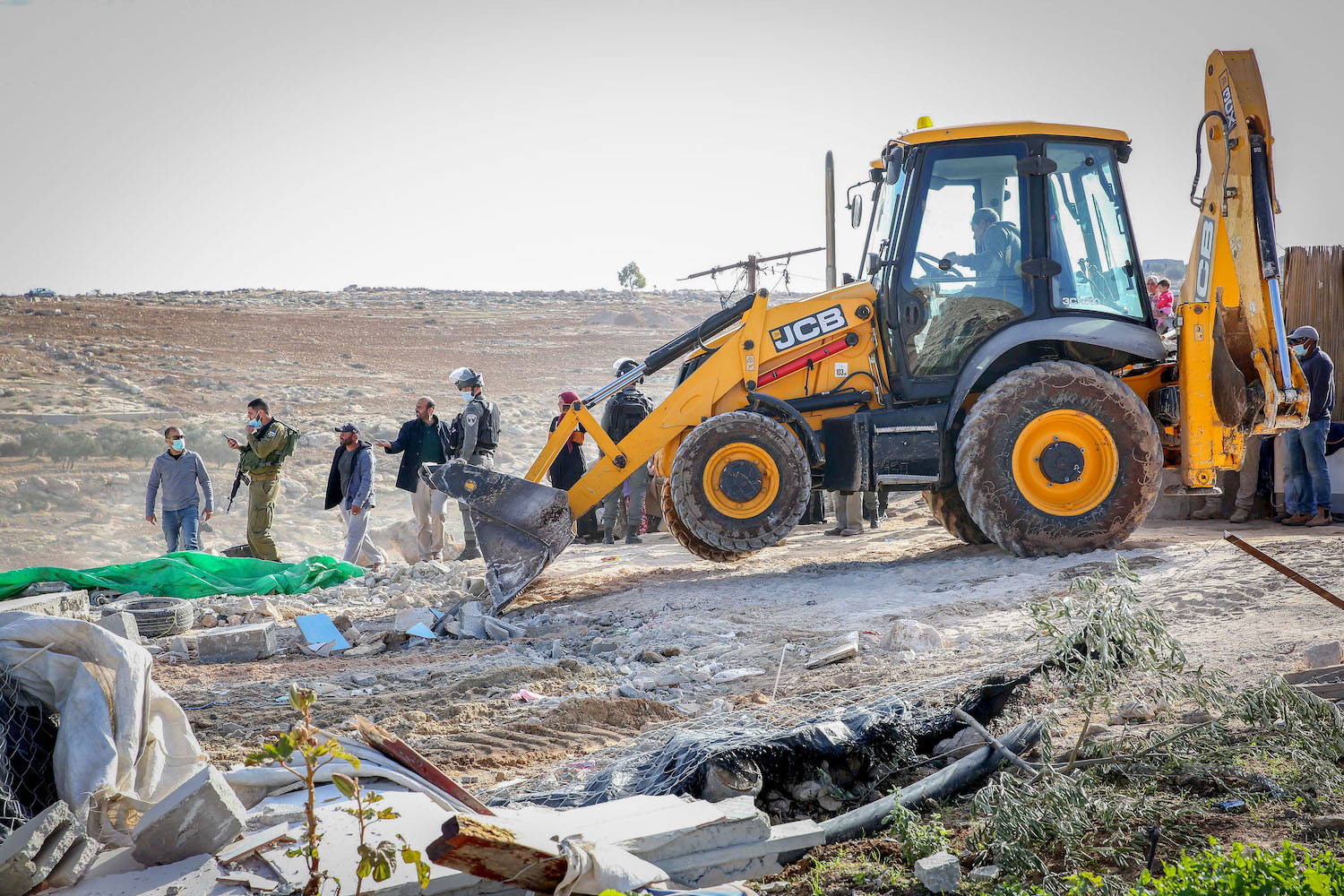
With the climate crisis changing rainfall patterns, crops such as wheat and barley, with which Palestinian farmers feed their livestock, are harder to grow using traditional methods of rainwater irrigation. By preventing the farmers from accessing alternative water sources, the occupation exacerbates the effects of the water shortage, said Becca Stober of Breaking the Silence, who helped lead the One Climate tour.
“As part of the geographical West we are contributing to climate change, and of course as occupiers we need to take responsibility for what is going on [in the West Bank],” noted Strobe. “In terms of climate change, there is no zero-sum game. What we are seeing happening in the West Bank, we will have in Israel. It is the same crisis.”
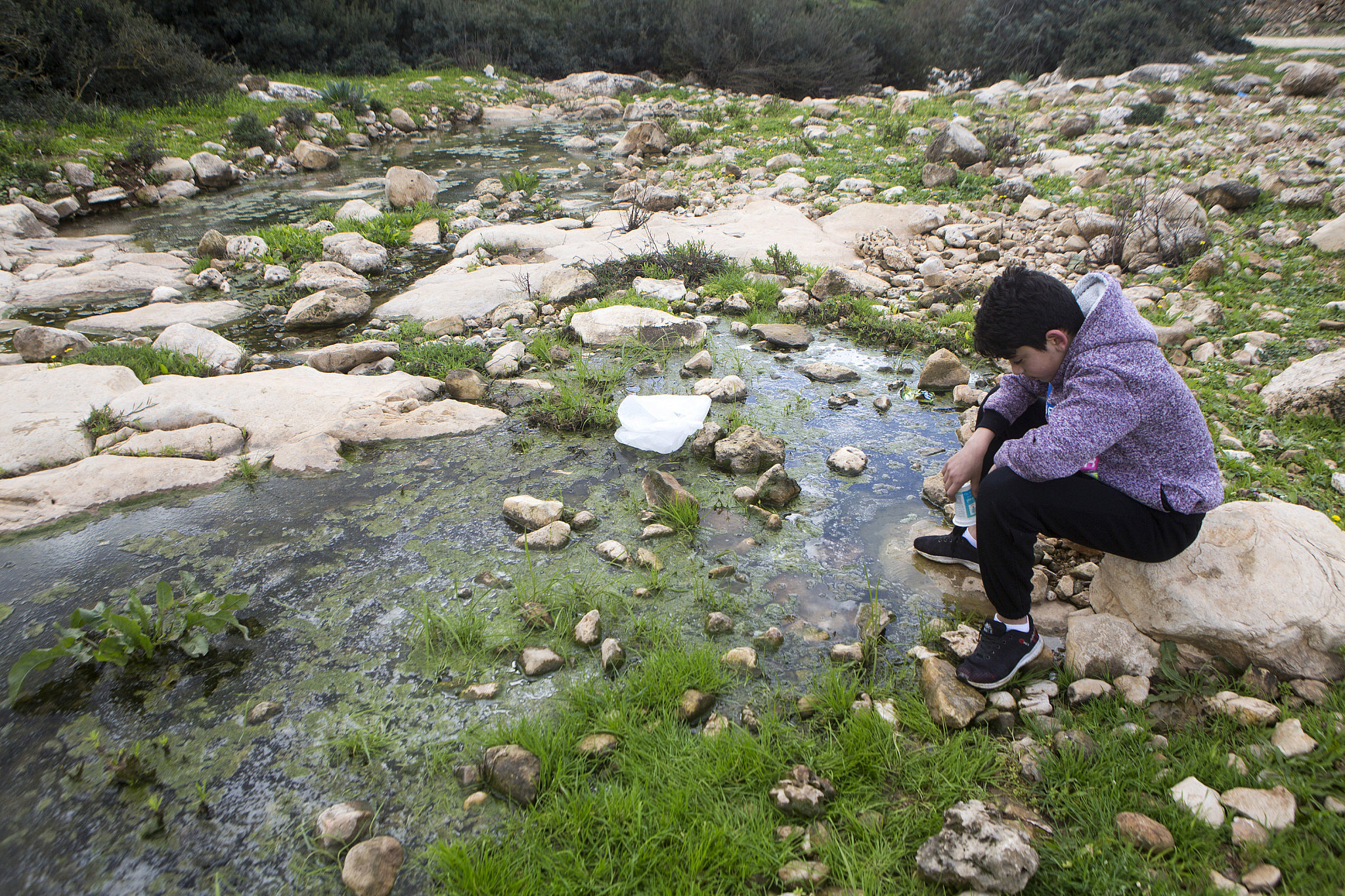
In Wadi Qana, east of Qalqilya, Palestinian farmers found their traditional water supply and way of living destroyed by the creation of several settlements in the area, including Emmanuel and Karnei Shomron, which were constructed in the 1970s and ‘80s, respectively, noted Gilboa. Until 2006, when the settlements were finally connected to sewage infrastructure, the settlements discharged their wastewater into the local stream, spoiling the springs and polluting the water source. The damage forced some 50 Palestinian families to abandon their land and move to the nearby village of Deir Istiya, according to a 2015 B’Tselem report.
While the sewage problem was later partially resolved, the Civil Administration’s Nature Reserves and Parks Unit declared the area a nature reserve, which restricts Palestinian use of the land and prevents them from building and developing on it, the report notes. Furthermore, water drilling in the area by Israeli authorities has reduced the volume of water in the stream, further depriving Palestinian farmers.
In 1995, the Oslo II Accords established a joint Israeli-Palestinian water committee to manage water and sewage-related infrastructure in the occupied territories. But the committee was almost non-functional from its inception, Gilboa asserted. The Palestinians withdrew their cooperation in 2010 because Israel was conditioning approval of Palestinian applications on the approval of Israeli settlement infrastructures. Following a six-year hiatus, in 2016, Israel and the Palestinian Authority signed an agreement to renew cooperation on water development after behind-closed-doors negotiations reportedly led to a new set of rules, which included that only Palestinian applications would be dealt with.
“This all is a very cynical approach, using the environment as a weapon to make Palestinian life more difficult,” said Gilboa. “We want to make the climate movement in this area much more political, and take into account the climate tragedies that this political situation has created.”
At the same time, One Climate wants to engage anti-occupation and human rights movements in Israel that are focused on the occupation “but are totally blind to the climate crisis that is affecting us and our future,” he said. “Exposing the connection between the two is making us much more accurate in our demands, and more relevant.”
‘Nature belongs to neither Israelis nor Palestinians’
Globally, those who are most vulnerable to the impact of the climate crisis are members of oppressed communities whose ecological imprint is much smaller, notes Ya’ara Peretz, an activist with One Climate. This also applies in Israel-Palestine.
In 2013, a devastating winter storm that left much of Jerusalem without electricity revealed just how exposed marginalized Palestinian communities are to changing weather patterns. Many homes were destroyed in Susiya, a village in the South Hebron Hills, where families who were displaced several times since 1986 now live in tents and ramshackle huts on their agricultural land.
Israel worked quickly to reinstate electricity in Jerusalem, yet no one came to help the residents of Susiya living under Israeli control, said Peretz.
“Many Palestinians on the ground, such as the farmers in Susiya and other villages, expend so much energy on simply trying to survive that they have very little energy left to consider environmental issues,” said Shaheen. Nonetheless, some have started to see and prioritize the connection, she added.
“The weather is becoming hotter and hotter. Every year we have less and less rain and we have less water,” said Fatma Nawje, a social worker and community activist from Susiya. With so many men from the village denied permission to work in Israel, and thus solely reliant on farming — with the attendant scarcity of water — their community exemplifies the increased climate vulnerability of Palestinians living under occupation.
Mazin Qumsiyeh, volunteer director at the Palestine Institute for Biodiversity and Sustainability in Bethlehem, noted that even if the occupation were to end tomorrow, the environmental damage it has caused will remain.
“The situation here is pretty dire in terms of the impact of the occupation on everything, including the [environment], said Qumsiyeh. “Humans created the problem and humans can contribute to the solution. The colonial system exacerbates the already difficult global crisis. We need environmental justice with our resources, so I am ready to talk to anyone who is ready to listen.”
Palestinian researchers at institutions such as Al-Haq and Future Vision have addressed the link between climate change and the Israeli occupation, noting that global warming over the past two to three decades has been detrimental to the agricultural sector and to food security. Damage to the environment is also endangering biodiversity with increasing droughts, desertification of the region, and frequency of severe climate events such as winter storms and heat waves.
While One Climate has made some initial minor overtures to these groups, their attempts to date have not been successful. The group has instead concentrated on working with the small communities in the South Hebron Hills.
For Shaheen, getting other Palestinian activists to get involved has been difficult, particularly because of the power imbalance that exists between Jewish Israelis and Palestinians, even in left-wing activist spaces. “I have been trying to really figure out how to get the Palestinian community to help out,” said Shaheen. “I managed to find [activists] but they didn’t want to work with Israelis or needed Israelis to go through the fire test first. I understand that because we have been wounded again and again.”
As a Palestinian environmental activist from Haifa, Shaheen herself has often struggled to find her place in the climate movement because concern for nature in Israel has become a “Zionist thing,” she said, with protection of the environment reserved for the “beautiful Land of Israel.”
“That is frustrating for me because it doesn’t give me space to come in. I want to work together with integrity only if you understand that I come with Palestinian roots, and I, like all Palestinian people, have needs here,” Shaheen said. “That is the gift of One Climate, with their concept that nature belongs neither to Israelis nor to Palestinians. The time has come to start finding our way together, but we can’t just keep doing this thing of, ‘you have to make do with what I give you because I am the occupier.’”
As they continue to work to unite activists from two different camps, One Climate is still only at the beginning of its journey, said Gilboa, with many issues and decisions yet to be made. “It is quite a challenge because when you fight climate change you are fighting against the stream, and when you fight against the occupation you are fighting against a strong stream,” he said. “But when you fight both climate change and the occupation, you are facing an even stronger stream.”

Commenti
Posta un commento