George Zeidan e Miran Khwais :Dai vaccini alle proteste, l'Autorità Palestinese continua a dimostrare la sua irrilevanza
Traduzione sintesi
Gli ultimi due mesi sono stati un periodo travolgente e di trasformazione per i palestinesi. È stato un periodo pieno di tristezza e paura di fronte alla violenza israeliana, ma anche pieno di ispirazione per portare il cambiamento e porre fine all'oppressione israeliana del popolo palestinese. In questo momento storico , un fattore cruciale non è affatto cambiato: il ruolo in declino dell'Autorità Palestinese e, con esso, la completa cessazione del processo degli Accordi di Oslo.
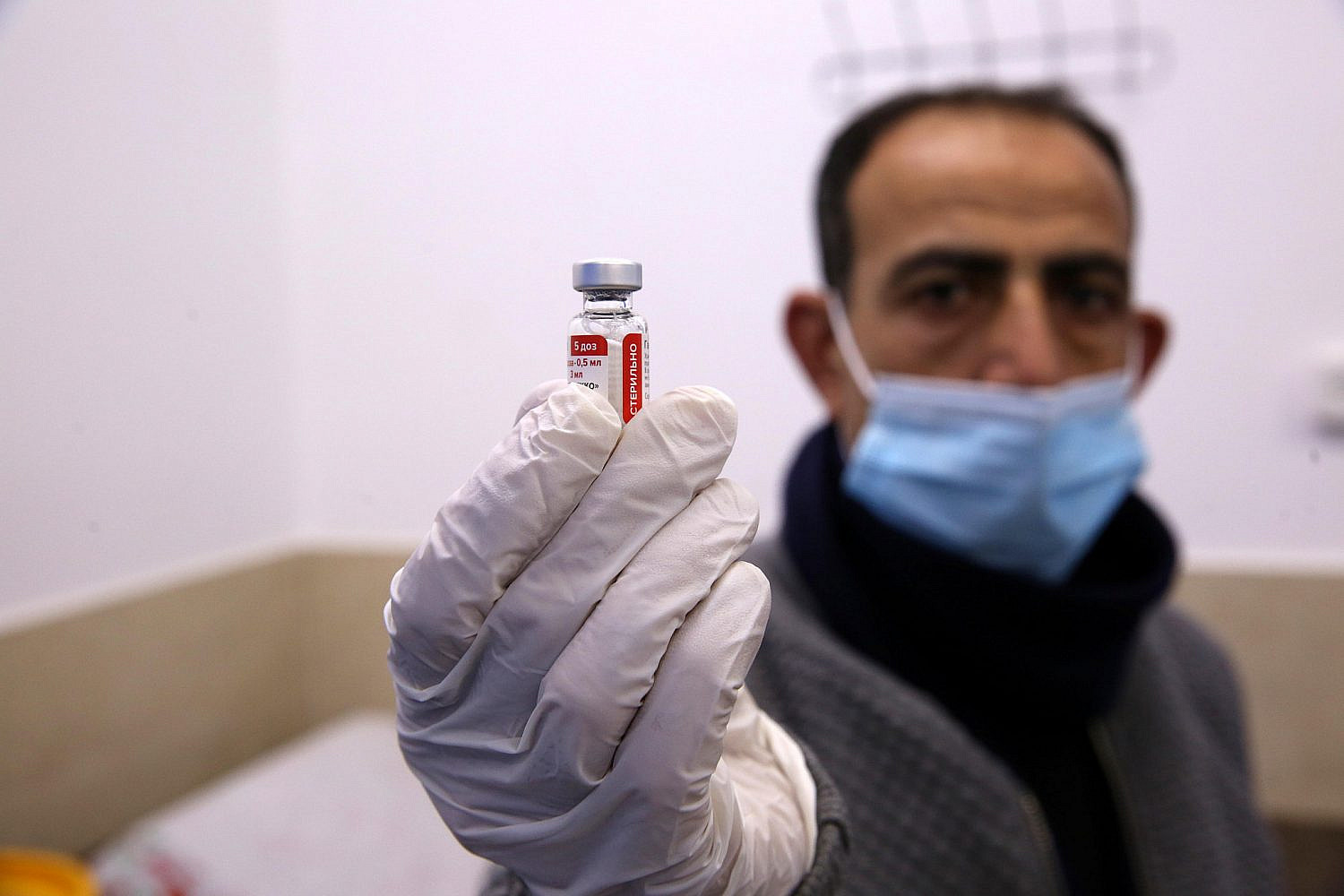
La scorsa settimana, come per sottolineare il proprio declino, l'Autorità Palestinese è rimasta coinvolta in un grave scandalo quando i resoconti dei media hanno scoperto che il governo di Ramallah aveva accettato una spedizione di un milione di dosi in eccesso del vaccino Pfizer da Israele per combattere il COVID -19 pandemia nei territori occupati.
Le dosi, tuttavia, sarebbero scadute entro poche settimane e avrebbero dovuto essere scambiate con una spedizione di nuovi vaccini che sarebbero stati invece somministrati a Israele. A seguito dell'indignazione pubblica per l'affare umiliante, l'AP ha annullato l'accordo. (Questo non vuol dire discolpare Israele dal suo ruolo in questa operazione tardiva e insufficiente, come Ghada Majadle di Medici per i diritti umani-ha spiegato , “Invece di accettare la propria responsabilità e dare la fornitura di vaccini senza indugio a tutta la popolazione, Israele sta conducendo mercanteggiamenti sulla vita e la salute di milioni di persone.”)Questo errore è l'ultima prova non solo della grave incompetenza dell'Autorità Palestinese, ma anche del suo totale distacco dalla vita e dalle aspirazioni del popolo palestinese. Il mese scorso, nei giorni che hanno preceduto la decisione anticipata della Corte Suprema israeliana sulla pulizia etnica in atto nel quartiere di Sheikh Jarrah a Gerusalemme, i palestinesi hanno organizzato manifestazioni di massa nei territori occupati e nelle città arabe all'interno di Israele. Queste proteste sono state in gran parte guidate da giovani palestinesi, molti dei quali non avevano alcuna affiliazione con alcun partito politico, incluso il partito al potere Fatah che controlla l'Autorità Palestinese .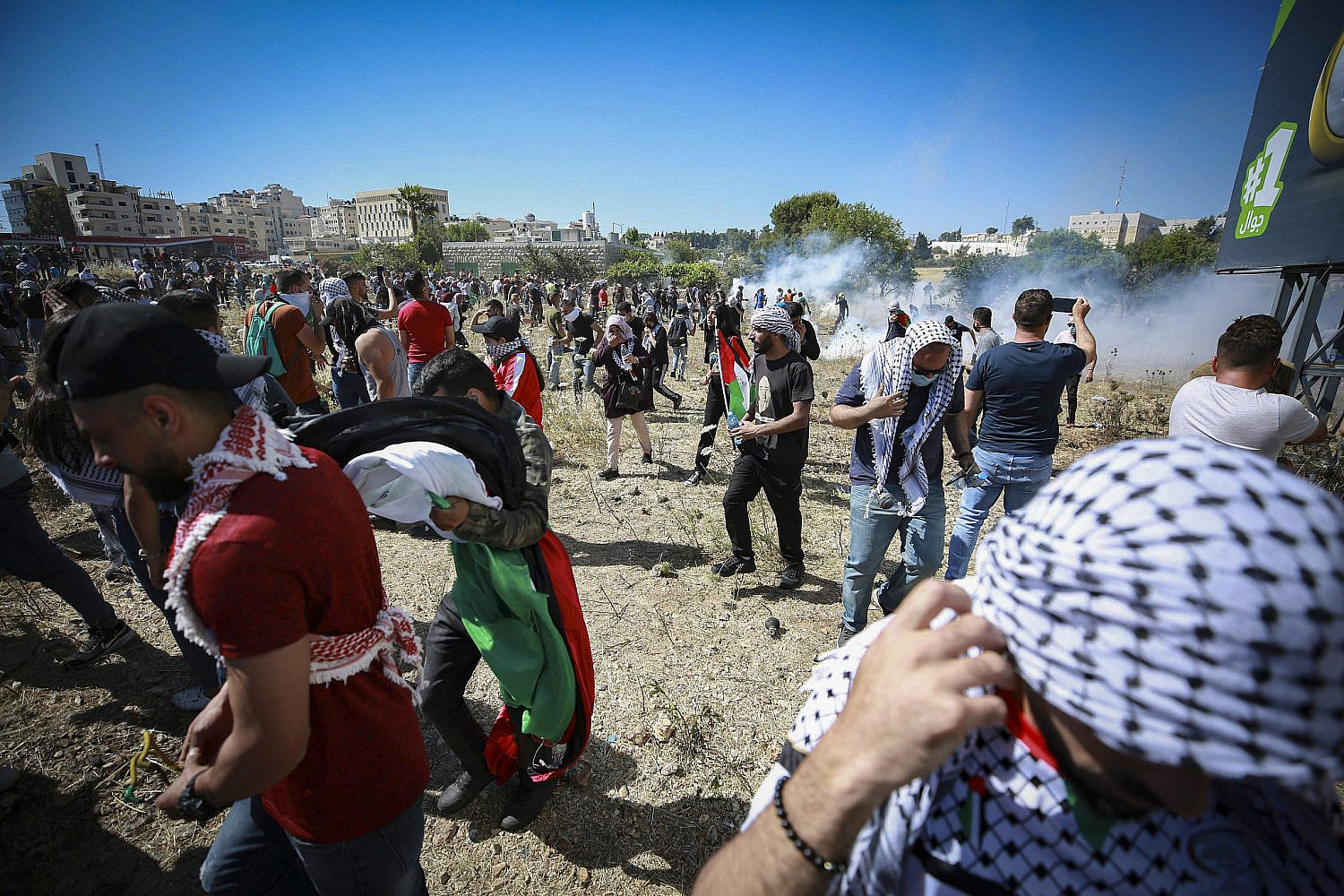
Per molti versi, questo tipo di rivolta popolare era quasi inevitabile. Per anni, l'AP, che sostiene di essere la leadership nazionale dei palestinesi, non ha svolto il suo ruolo di rappresentare gli interessi del suo popolo. Sapendo che i loro leader a Ramallah non avrebbero fatto nulla per aiutarli, i palestinesi non hanno avuto altra scelta che unirsi e scendere in strada da soli, usando tattiche che ricordano la Prima Intifada per esprimere la loro rabbia. Hanno espresso le loro richieste in modo cristallino: vogliono porre fine all'oppressione del nostro popolo e marciare insieme verso la nostra libertà.
Purtroppo, l'AP non sembra interessata a marciare con noi. Durante quelle settimane di proteste, l'AP era quasi completamente silenziosa: mentre ogni città palestinese, occupata nel 1948 o nel 1967, era in fermento, la leadership dell'AP sembrava guardare da lontano . Le sue forze di sicurezza, nel frattempo, erano impegnate ad arrestare numerosi attivisti o a molestare e a intimidire i manifestanti nel disperato tentativo di affermare la propria autorità. Il recente scandalo sui vaccini, e la reazione pubblica ad esso, mostra ulteriormente quanto poco potere e rispetto eserciti oggi l'Autorità Palestinese.
Un approccio passivo
Dagli anni '90, gli Accordi di Oslo - che hanno stabilito l'AP come subappaltatore dell'occupazione - hanno cercato di trasformare la causa palestinese in una questione amministrativa piuttosto che in una lotta per la libertà. L'Autorità Palestinese ci ha portato a credere che il massimo che dovremmo mirare a raggiungere nelle nostre vite sia un permesso rilasciato da Israele o un coordinamento per ottenere cure mediche in un ospedale israeliano. Questo è un approccio passivo che pretende che il nostro problema riguardi semplicemente questioni logistiche quotidiane e che solo risolvendo queste questioni, i palestinesi saranno soddisfatti.
La recente rivolta ha mostrato quanto l'approccio dell'Autorità Palestinese sia non più in contatto con la sua gente. In effetti, l'AP è forse l'unica istituzione palestinese rimasta che crede seriamente che si possa realizzare una soluzione a due stati, o che gli accordi di Oslo possano fornire un percorso verso qualsiasi tipo di liberazione.
Ma per i palestinesi, quella nave è salpata molto tempo fa. Dalla firma di Oslo, Israele ha costruito migliaia di insediamenti illegali e trasferito decine di migliaia di coloni israeliani nei territori occupati, un crimine di guerra che viola palesemente il diritto internazionale. Il movimento di beni e servizi di base, comprese le forniture mediche come i vaccini COVID-19, è ancora soggetto al controllo e alla tassazione delle autorità di frontiera israeliane. Questi fatti sul campo sono l'unica cosa che determina il percorso che viene dato a noi palestinesi: un regime di apartheid dal fiume al mare.
Non sorprende, quindi, che l'Autorità Palestinese e il suo anziano presidente, Mahmoud Abbas, abbiano perso quasi ogni fiducia e legittimità tra i palestinesi. Le parole dei loro funzionari sono intese come nient'altro che parole; è quasi impossibile tenere traccia del numero di volte in cui l'AP ha minacciato di porre fine alla cooperazione in materia di sicurezza con Israele, per poi tornare sui propri passi qualche istante dopo.
Allora come mai l'AP è ancora vista da così tanti come rappresentante del popolo palestinese, nonostante sia chiaramente un corpo illegittimo? La brutta verità è che la ragione principale per cui l'AP esiste ancora ,è perché Israele e la comunità internazionale ne hanno bisogno per mantenere il cosiddetto "status quo . Hanno bisogno che l'AP mantenga la “stabilità” continuando a pagare gli stipendi di decine di migliaia di palestinesi al servizio dell'esercito di occupazione israeliano.
Anche l'Unione europea ha fatto tutto ciò che era in suo potere per mantenere in vita l'AP. L'UE, che è il più grande fornitore di assistenza esterna all'AP, ha recentemente completato un programma strategico congiunto intitolato ironicamente "Verso uno Stato palestinese democratico e responsabile". Questa assistenza bilaterale, che comprende uno stanziamento finanziario pluriennale di 1,28 miliardi di euro, si è concentrata su specifici settori prioritari come la riforma della governance e gli stipendi dei funzionari e dei membri delle forze di sicurezza.
Anni di patrocinio dell'UE hanno permesso ad Abbas e al suo partito di abolire ogni separazione di potere, consentendo al presidente di controllare più rami del governo e a prendere decisioni senza alcuna forma di responsabilità.
Le ultime elezioni nazionali tenute nei territori palestinesi sono state nel 2006; quando Fatah ha perso contro Hamas, l'UE si è unita agli Stati Uniti nel sanzionare e destabilizzare il governo palestinese. Quando le elezioni sono state finalmente fissate per l'estate del 2021, l'UE è stata quasi completamente silenziosa, consentendo ad Abbas di annullare le elezioni senza temere conseguenze internazionali. Anche durante le proteste di massa del mese scorso, l'UE ha fatto poco per sostenere i palestinesi perché il loro "partner" a Ramallah non aveva alcun ruolo da svolgere. La comunità internazionale ne è consapevole e teme ciò che potrebbe venire dopo. Sanno che il loro irresponsabile potenziamento sia dell'Autorità Palestinese che di Hamas sta riducendo l'emergere di nuovi volti in una nuova leadership, eppure non stanno facendo nulla per invertire la tendenza.
Ma questo non significa che sia troppo tardi per cambiare rotta.
Anche senza un cambiamento internazionale nella politica, stanno emergendo nuovi gruppi e iniziative tra gli attivisti palestinesi per aprire un futuro diverso. Ad esempio, Jeel al-Tajdeed al-Democraty (un progetto in cui siamo coinvolti) cerca di creare una lista parlamentare virtuale e alternativa per i giovani palestinesi di tutto il mondo. Sebbene sia iniziato come una sfida alle elezioni palestinesi ora cancellate, continua a offrire un modello per costruire un'identità nazionale inclusiva che possa organizzare il cambiamento democratico e rilanciare il sistema politico palestinese.
Una leadership che meritiamo
La crescita di tali iniziative, insieme al movimento popolare per le strade della Palestina, mostra che c'è un bisogno crescente di dare vita a una leadership diversa attraverso un'elezione equa, dove i palestinesi possano scegliere liberamente i loro leader. Abbiamo bisogno di metodologie più nuove di quelle che sono state usate finora per resistere alla nostra oppressione. E abbiamo bisogno di leader freschi, giovani e radicali per dirigere lo spettacolo e rappresentare finalmente la volontà dei palestinesi nel modo che meritano.
L
The past two months have been an overwhelming and transformative time for Palestinians. It has been a period full of sadness and fear in the face of Israeli violence, but also full of inspiration for bringing about change and an end to Israel’s oppression of the Palestinian people. Amidst this historic moment, one crucial factor has hardly changed at all: the declining role of the Palestinian Authority and, with it, the complete cessation of the Oslo Accords process.
This past week — as if to emphasize its own decline — the PA became embroiled in a major scandal when media reports found that the Ramallah-based government had agreed to a shipment of one million surplus doses of the Pfizer vaccine from Israel to fight the COVID-19 pandemic in the occupied territories.
The doses, however, were set to expire within a few weeks, and were planned to be swapped for a shipment of new vaccines that would be given to Israel instead. Following public outrage at the humiliating deal, the PA cancelled the agreement. (This does not exculpate Israel from its role in the belated and insufficient deal; as Ghada Majadle of Physicians for Human Rights-Israel explained, “Instead of accepting responsibility and supplying vaccines without delay to the entire population, Israel is conducting horse-trading over the lives and health of millions of people.”)
This blunder is the latest evidence not only of the PA’s gross incompetence, but its utter detachment from the lives and aspirations of the Palestinian people. Last month, in the days leading up to the Israeli Supreme Court’s anticipated decision regarding the ethnic cleansing of families from the Jerusalem neighborhood of Sheikh Jarrah, Palestinians organized mass demonstrations across the occupied territories and Arab towns inside Israel. These protests were largely led by young Palestinians, many of whom had no affiliation with any political party, including the ruling Fatah party that controls the PA and the Palestine Liberation Organization.
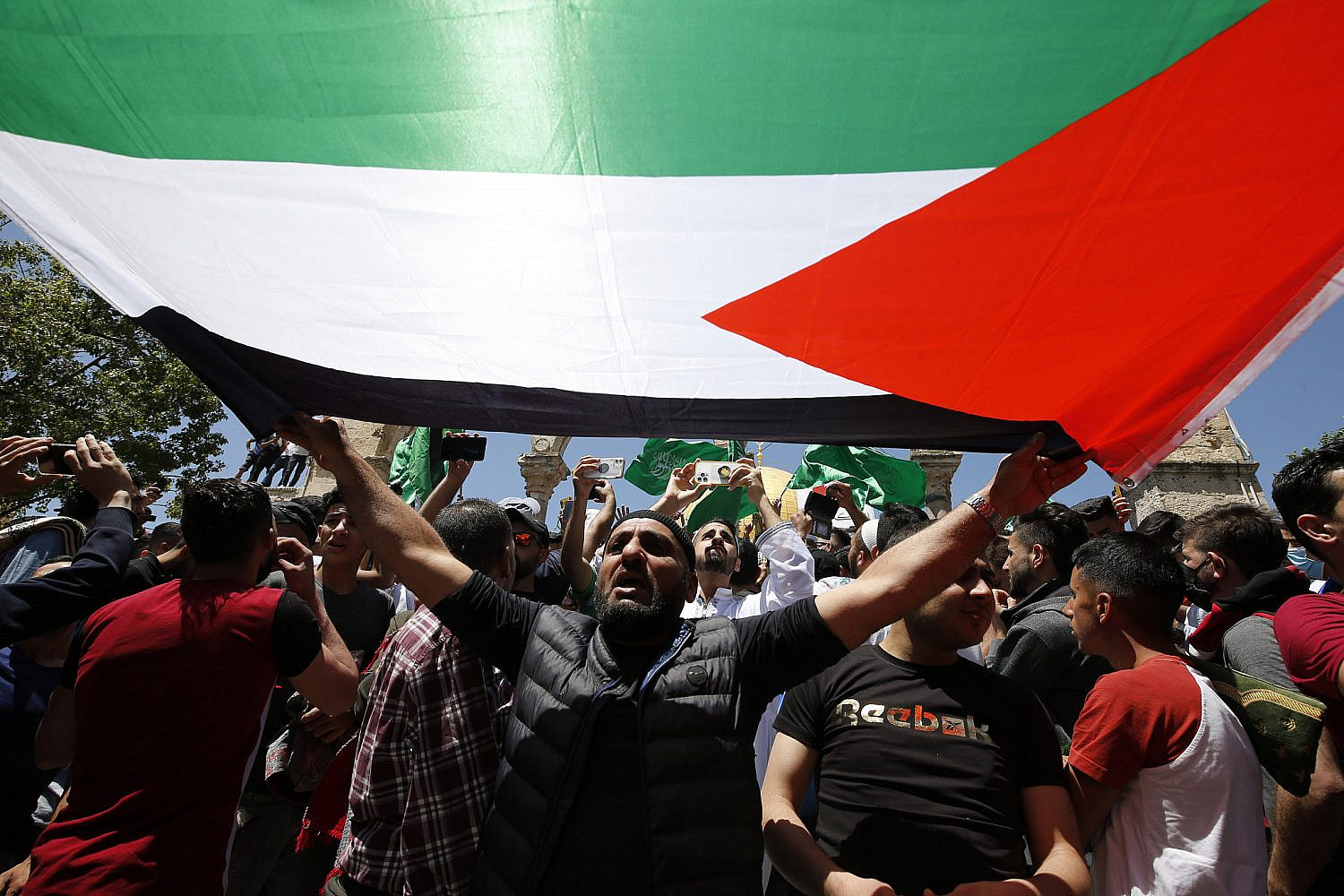
In many ways, this kind of grassroots uprising was almost inevitable. For years, the PA, which claims to be the national leadership of the Palestinians, has not been fulfilling its role of representing the interests of its people. Knowing their leaders in Ramallah would do nothing to help them, Palestinians were left with no choice but to unite and take to the streets themselves, using tactics reminiscent of the First Intifada to express their rage. They made their demands crystal clear: they want an end to the oppression of our people, and to march together toward our freedom.
Sadly, the PA does not seem interested in marching with us. During those weeks of protests, the PA was almost completely silent: while every Palestinian city, whether occupied in 1948 or 1967, was rising, the PA leadership appeared to be watching from a distance as if they were an observing body. Its security forces, meanwhile, were busy carrying out arrests of numerous activists or harassing and intimidating protestors in a desperate attempt to assert its authority. The recent vaccine scandal, and the public backlash to it, further shows just how little power and respect the PA wields today.
A passive approach
Since the 1990s, the Oslo Accords — which established the PA as a subcontractor for the occupation — have tried to turn the Palestinian cause into an administrative matter rather than a struggle for freedom. The PA led us to believe that the maximum we should aim to achieve in our lives is an Israeli-issued permit, or a successful coordination for medical treatment in an Israeli hospital. This is a passive approach that pretends that our problem is merely with daily logistical issues, and that by just solving these matters, Palestinians will be satisfied.
The recent uprising has shown how much the PA’s approach is out of touch with its people. In fact, the PA is perhaps the only Palestinian institution left that seriously believes that a two-state solution can be fulfilled, or that the Oslo Accords can provide a path toward any kind of liberation.
But for Palestinians, that ship has sailed a long time ago. Since Oslo’s signing, Israel has built thousands of illegal settlements and moved tens of thousands Israeli settlers into the occupied territories — a war crime that blatantly violates international law. The movement of basic goods and services — including medical supplies like COVID-19 vaccines — still fall under the control and taxation of Israeli border authorities. These facts on the ground are the only thing determining the path we Palestinians are being given: an apartheid regime from the river to the sea.
It is unsurprising, then, that the PA and its aged president, Mahmoud Abbas, have lost nearly all trust and legitimacy among Palestinians. The words of their officials are understood as nothing more than lip service; it is almost impossible to keep track of the number of times the PA has threatened to end security cooperation with Israel, only to backtrack moments later.
So how is it that the PA is still viewed by so many as representing the Palestinian people, despite clearly being an illegitimate body? The ugly truth is that the main reason the PA still exists is because Israel and the international community need it to keep the so-called “status quo.” They need the PA to maintain “stability” by continuing to pay the salaries of tens of thousands of Palestinians, and by policing their communities in the service of the Israeli occupying army.
The European Union, too, has been doing everything in its power to keep the PA alive. The EU, which is the biggest provider of external assistance to the PA, recently completed a joint strategy program ironically titled “Towards a democratic and accountable Palestinian State.” This bilateral assistance, which included a multi-annual financial allocation of €1.28 billion, focused on specified priority sectors including governance reform and salaries of officials and members of the security forces.
Despite the title, years of EU patronage have in fact allowed Abbas and his party to do away with any separation of power, enabling the president to control multiple branches of government and make decisions without any form of accountability.
The last national elections held in the Palestinian territories were in 2006; when Fatah lost the parliament to Hamas, the EU joined the United States in sanctioning and destabilizing the Palestinian government. When elections were finally set for the summer of 2021, the EU was almost completely silent, allowing Abbas to cancel the elections without fear of international consequences. Even during last month’s mass protests, the EU did little to support Palestinians because their “partner” in Ramallah itself had no role to play.
A leadership we deserve
The events of the past two months have demonstrated how continuous support to the increasingly irrelevant PA has major political consequences. The Fatah-led government is not only leading Palestinians to lose any trust in peace negotiations, but is actually empowering its rival Hamas party and its approach of armed struggle as the only viable political alternative. It is not surprising that Hamas and its strategies have enjoyed a significant boost in popularity these past weeks; despite the fact that many Palestinians do not agree with its ideology and resent its authoritarian rule in Gaza, Hamas is still seen by some as the only party achieving any impact or results for the Palestinian people.
The international community is aware of this and fears what might come next. They know that their irresponsible empowerment of both the PA and Hamas is diminishing any chance for the rise of new faces in a new leadership — yet they are doing nothing to reverse it.
But that does not mean it is too late for them to change course.
Even without an international shift in policy, new groups and initiatives are emerging among Palestinian activists to pave a different future. For example, Jeel al-Tajdeed al-Democraty (a project in which we are involved) seeks to create a virtual, alternative parliamentary list for Palestinian youth from all around the world. While it began as a challenge to the now-cancelled Palestinian elections, it continues to offer a model for ways to build an inclusive national identity that can organize for democratic change and revive the Palestinian political system.
The growth of such initiatives, together with the popular movement on the streets of Palestine, shows that there is a growing need to bring to life a different leadership through a fair election, in which Palestinians can freely choose their leaders. We need newer methodologies than the ones that have been used to resist our oppression so far. And we need fresh, young, radically-minded leaders to run the show, and finally represent the will of Palestinians in the way they deserve.

Commenti
Posta un commento