Evan Fallenberg Una folla violenta ha distrutto l'oasi che abbiamo creato ad Acri

Traduzione Sintesi
Riusciranno le persone in questa terra triste, bella e devastata a imparare a rispettare le differenze e le distinzioni tra di noi e ad usarle per un futuro insieme migliore?

Una volta possedevo un hotel dove persone vere venivano per restare. Hanno raccontato storie, abbiamo raccontato storie, tutti hanno ascoltato tutti.
Era una rovina ottomana nella città vecchia di Acri che ho acquistato come casa e studio, ma dopo tre anni di massicci sforzi di ristrutturazione, io e mio figlio Micha abbiamo trasformato l'edificio in un piccolo hotel boutique e residenza di artisti chiamata Arabesque, che ha richiamato ospiti da tutto il mondo grazie alla bellezza dei suoi archi in pietra e all'ospitalità del nostro staff. Nei cinque anni successivi, Micha è cresciuto in Arabesque lavorando con imprenditori locali, non abbiamo mai acquistato un altro edificio.
Micha e io siamo ebrei; tutti i nostri vicini sono arabi, per lo più musulmani, con alcuni discendenti cristiani del passato crociato della città. Ciò ha importanza, certamente, in un paese ossessionato dai confini tribali e dalle identificazioni religiose. La nostra esperienza è stata di accoglienza e calore. Siamo diventati parte del tessuto della città.
Mercoledì, poco dopo mezzanotte, Arabesque è caduto nelle mani di una folla violenta, nonostante i migliori sforzi dei nostri vicini, che hanno deviato l'attacco più e più volte fino a quando la folla non è cresciuta a 50 e ci sono state minacce di bruciare l'intero quartiere .
Non è un'impresa da poco capovolgere un pianoforte a coda o spezzare un lavandino in due o frantumare un televisore o un condizionatore d'aria La rabbia e l'odio necessari sono oltre la mia immaginazione, la spinta dei muscoli coinvolti oltre le mie capacità. Non desidero immaginare la frenesia mentre cresceva. Preferisco invece ricordare cosa si è perso: il giorno della lavanderia, quando il tavolo da pranzo e il pianoforte erano pieni di biancheria da smistare e si parlava e si rideva mentre si lavorava; il lieto stupore dei visitatori per la prima volta quando hanno incontrato la nostra oasi dopo aver serpeggiato per gli stretti vicoli di pietra della nostra città; il profumo dei fiori di ibisco che cuociono sul fornello per il succo della colazione del mattino successivo; le campane di San Giorgio e il muezzin dalla moschea Al Jazzar, l'incontro quotidiano con Abu Saleh,
Ieri mi sono seduto a Shiva. Su una scala di pietra grezza tra le rovine, mi sono seduto, mentre i vicini entravano per vedere la distruzione, piangere, scusarsi per gli atti imperdonabili dei loro fratelli, raccontare storie. Anch'io ho pianto e ho riso. Quando le persone hanno offerto aiuto o chiesto quali fossero i miei piani, ho detto loro che ero in lutto, che i miei pensieri sono esclusivamente su questo momento e non su nessun altro. Non mi chiedo ancora se Arabesque ospiterà mai più ospiti adorabili o se mi sentirò così completamente a casa come mi sono sentito per quegli otto meravigliosi anni che cambiano la vita.
Non è ancora chiaro se le persone in questa terra triste, bella e devastata potranno mai imparare a rispettare le differenze e le distinzioni tra noi e usarle per un migliore futuro comune, se i torti commessi da tutte le parti possono essere riparati. Solo questo, lo so per certo: le amicizie che ho stretto ad Acri sono reali e inattaccabili, non possono essere distrutti da questo odio Da questo costruirò un futuro.

I owned a hotel once. Like Monopoly, only better; real people came to stay. They told stories, we told stories, everyone listened to everyone.

It started with an Ottoman ruin in the Old City of Acre that I bought as a home and studio, but after three years of massive conservation and renovation efforts, my son Micha and I turned the building into a tiny boutique hotel and artists’ residency called Arabesque, which drew guests from around the world thanks to the beauty of its stone arches and the hospitality of our staff. Over the next five years, Micha grew Arabesque by working with local entrepreneurs, but we never purchased another building.
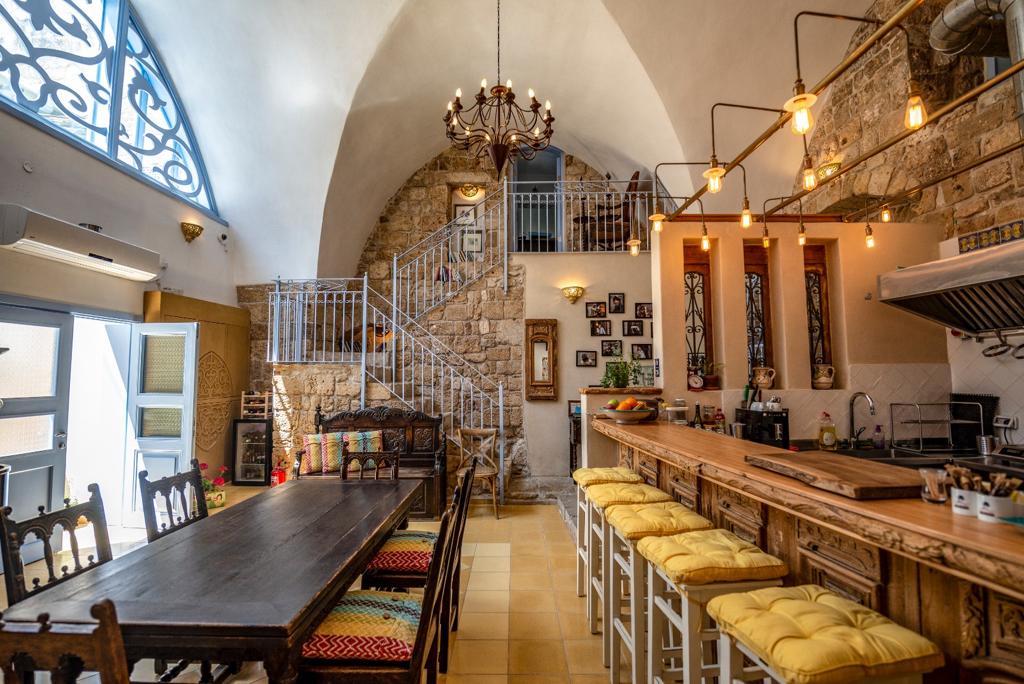
Arabesque Arts and Residency Center in its prime. (Courtesy)

Micha and I are Jewish; all our neighbors are Arabs — mostly Muslim, with some Christian descendants from the city’s Crusader past. That mattered, certainly, in a country obsessed with tribal boundaries and religious identifications. But our experience was one of welcome and warmth. We became part of the fabric of the city.

On Wednesday, shortly after midnight, Arabesque fell to the hands of a violent mob, in spite of the best efforts of our neighbors, who deflected the attack time and again until the mob grew to 50 and there were threats to burn down the entire neighborhood.

It is no small feat to upturn a grand piano or split a sink in two or rip a television or air conditioner into its tiniest parts. The anger and hatred necessary are beyond my own imagination, the pull of muscles involved beyond my capacity. But I do not wish to envision the frenzy as it crescendoed. I prefer, instead, to remember what has been lost: laundry day, when the dining table and the piano stood full of linens to be sorted and we talked and laughed as we worked; the pleased astonishment of first-time visitors as they encountered our oasis after meandering through the narrow stone alleyways of our town; the scent of hibiscus flowers cooking on the stove for the next morning’s breakfast juice; the bells from St. George and the muezzin calls from the Al Jazzar Mosque, occasionally at once; the daily encounter with Abu Saleh, the oldest man in the Old City, on his daily walks to feed bread to the pigeons on the seaside promenade.

Damage caused by a violent mob at the Arabesque Arts and Residency Center in Acre, May 12 (courtesy)

Yesterday, I sat shiva. On a rough stone stair amongst the ruins, I sat, while neighbors came in to view the destruction, cry, apologize for the inexcusable acts of their brethren, tell stories. I cried, too, and laughed. When people offered help or asked what my plans were, I told them I was in mourning, that my thoughts are solely on this moment and no other. I do not wonder yet whether Arabesque will ever house lovely guests again or whether I will feel so wholly at home as I did for eight wonderful, life-changing years.

It is not yet clear whether the people in this sad, beautiful, ravaged land can ever learn to respect the differences and distinctions between us and use them for an enhanced joint future, whether the wrongs committed by all parties can be righted. Only this, I know for certain: the friendships I have made in Acre are real and unassailable, even by hatred, anger and muscle. From this, I will build a future.

ABOUT THE AUTHOR
Evan Fallenberg, an award-winning novelist and translator, teaches at Bar-Ilan University and Vermont College of Fine Arts. Together with his son Micha, Evan established Arabesque, an arts and residency center in an ancient renovated home in the heart of Old Acre
Can the people in this sad, beautiful, ravaged land ever learn to respect the differences and distinctions between us and use them for an enhanced joint future?

Commenti

Post popolari in questo blog

Hilo Glazer : Nelle Prealpi italiane, gli israeliani stanno creando una comunità di espatriati. Iniziative simili non sono così rare

The New York Times i volti, i nomi, i sogni dei 69 bambini uccisi nel conflitto tra Israele e Hamas

Limes :I CONFINI D’ISRAELE SECONDO LA BIBBIA (cartina)

Amira Hass : The fate of a Palestinian investor who called for Abbas' resignation