Karim Kattan Per i firmatari degli accordi di Abraham, la pace significa schiacciare le libertà delle persone al fine di sbloccare scambi senza restrizioni di tecnologia e armi.
tag Israele-piano saudita e mondo arabo Israele-Usa Stato Palestinese o realtà virtuale?

Sintesi personale
Martedì, il presidente degli Stati Uniti Donald Trump, con molta enfasi , ha ospitato una cerimonia per la firma dei cosiddetti accordi di pace tra Israele, Emirati Arabi Uniti e Bahrein. Con sorrisi compiaciuti il primo ministro israeliano Benjamin Netanyahu, il ministro degli Esteri degli Emirati Arabi Uniti Sheikh Abdullah bin Zayed Al Nahyan e il ministro degli Esteri del Bahrain Abdullatif Al Zayani hanno salutato insieme l'alba di un nuovo periodo nella regione. Secondo gli accordi di Abraham, dal titolo poetico, i suddetti capi di stato e i loro rappresentanti lavoreranno insieme per realizzare un Medio Oriente "stabile, pacifico e prospero".
Pace e prosperità, pronunciate nello stesso respiro come se fossero un unico termine, sono state infatti le parole chiave della cerimonia guidato dal consigliere senior e genero di Trump, Jared Kushner. Kushner che non è un intermediario neutrale: siede nel consiglio della fondazione dei suoi genitori, che ha finanziato programmi nell'insediamento israeliano di Beit El.
Molto è stato detto su questo presunto trattato di pace. È principalmente un riallineamento strategico di questi paesi contro l'Iran e un progetto per aumentare l'autoritarismo nella regione, che segue decenni di relazioni clandestine e condivisione di informazioni tra Israele e gli Emirati Arabi Uniti.Eppure gli accordi rimangono una finzione: il sogno febbrile dei dittatori. Nel documento di sette pagine vengono ripetutamente menzionate questioni di vasta portata come gli usi pacifici dello spazio, ma sarebbe difficile trovare una menzione della Palestina. Appare solo quando il testo si riferisce al cosiddetto conflitto israelo-palestinese.
Il resto dell'accordo si legge come una proposta commerciale per la cooperazione tra teocrazie che credono nella colonizzazione di Marte e nella storicità di Abramo, ma certamente non nel diritto dei palestinesi all'autodeterminazione, alla libertà o alla dignità. Questa cancellazione è un tentativo di accelerare la scomparsa dei palestinesi come sistema politico, territorio e nazione.
Nel testo, un personaggio ruba le luci della ribalta: il patriarca Abramo,al quale ci si riferisce qui come se fosse realmente esistito, e il cui seme generoso ha generato tutti i presenti alla cerimonia. "Le Parti si impegnano a promuovere la comprensione reciproca, il rispetto, la coesistenza e una cultura di pace tra le loro società nello spirito del loro antenato comune, Abramo", si legge nel documento, come se la pace potesse verificarsi solo tra coloro che condevidano un'ascendenza comune . Ciò tradisce la visione esclusiva e selvaggiamente etnocentrica dei firmatari di come dovrebbe essere un mondo giusto.Questa non sarebbe la prima volta che Abramo viene usato come simbolo ecumenico. È una strategia insulsa ma efficiente che richiede di espungere il testo biblico dai suoi elementi più oscuri e di smorzare i lati negativi e frastagliati delle nostre realtà geopolitiche.
Secondo varie fonti religiose,Abramo lasciò la sua patria per diventare un forestiero in una terra che gli era stata promessa da un dio. Nelle sue interpretazioni più luminose la storia di Abramo è quella dell'esilio che si fonde in una appartenenza che sboccia nel divenire di identità ossificate che si arrendono a futuri ribelli e vibranti. Nella sua interpretazione più oscura, tuttavia, Abramo è l'incarnazione del dogma religioso e dell'oscurità; del patriarcato e della schiavitù; della violenza inflitta a bambini innocenti a causa della fede cieca; del primo colonizzatore che ha lasciato la terra dei suoi padri per stabilirsi nella terra di un altro. In breve, tutto ciò in cui credono e prosperano i regimi oppressivi che hanno firmato gli accordi
Martedì ci è stato offerto lo spettacolo di estremisti religiosi che firmavano un manifesto futuristico per i fanatici. Gli estremisti religiosi, per definizione tentano di costringere il mondo a dare forma alle loro convinzioni, spesso distorcendo il linguaggio e ricorrendo alla violenza. Gli Accordi di Abraham sostengono così una visione del mondo etnoreligiosa, secondo la quale - sebbene senza prove verificabili - il popolo ebraico discenda da Isacco e gli arabi discendano da Ismaele, fratellastri ora riuniti dopo secoli di allontanamento, grazie agli sforzi dell' 'imprenditore Jared Kushner e del magnate degli affari Donald Trump.
Un mondo nettamente diviso in etnie e religioni ben definite (che, qui, sono la stessa cosa) piacerà sicuramente alla base evangelica filo-israeliana di Trump e agli elettori di destra di Netanyahu. È una versione aggiornata dell'estremismo, arricchita da discorsi di tecnologia pionieristica e di tecno-ottimismo per adattarsi alle città-stato dittatoriali del Golfo e al colonialismo sfrenato della società israeliana, senza scuotere le rispettive basi dell'identità religiosa e della politica di esclusione.
Qui, come spesso accade con gli estremisti religiosi, la fede organizzata è una componente essenziale e coercitiva dell'identità, piuttosto che una serie di atti e credenze che possono essere reinventati, arricchiti e liberatori. Qui, proprio come in Israele vero e proprio e nella maggior parte degli stati del Golfo, non c'è posto per coloro le cui etichette sono leggermente più complicate. Nell'inferno dell' estrema destra disegnato da questo nuovo asse, non c'è posto per ebrei arabi, nella loro diversità, o arabi cristiani, o musulmani che non sono arabi, o agnostici, o qualsiasi altra possibile combinazione di fede, mancanza di fede e comunità che prosperano nella nostra regione.
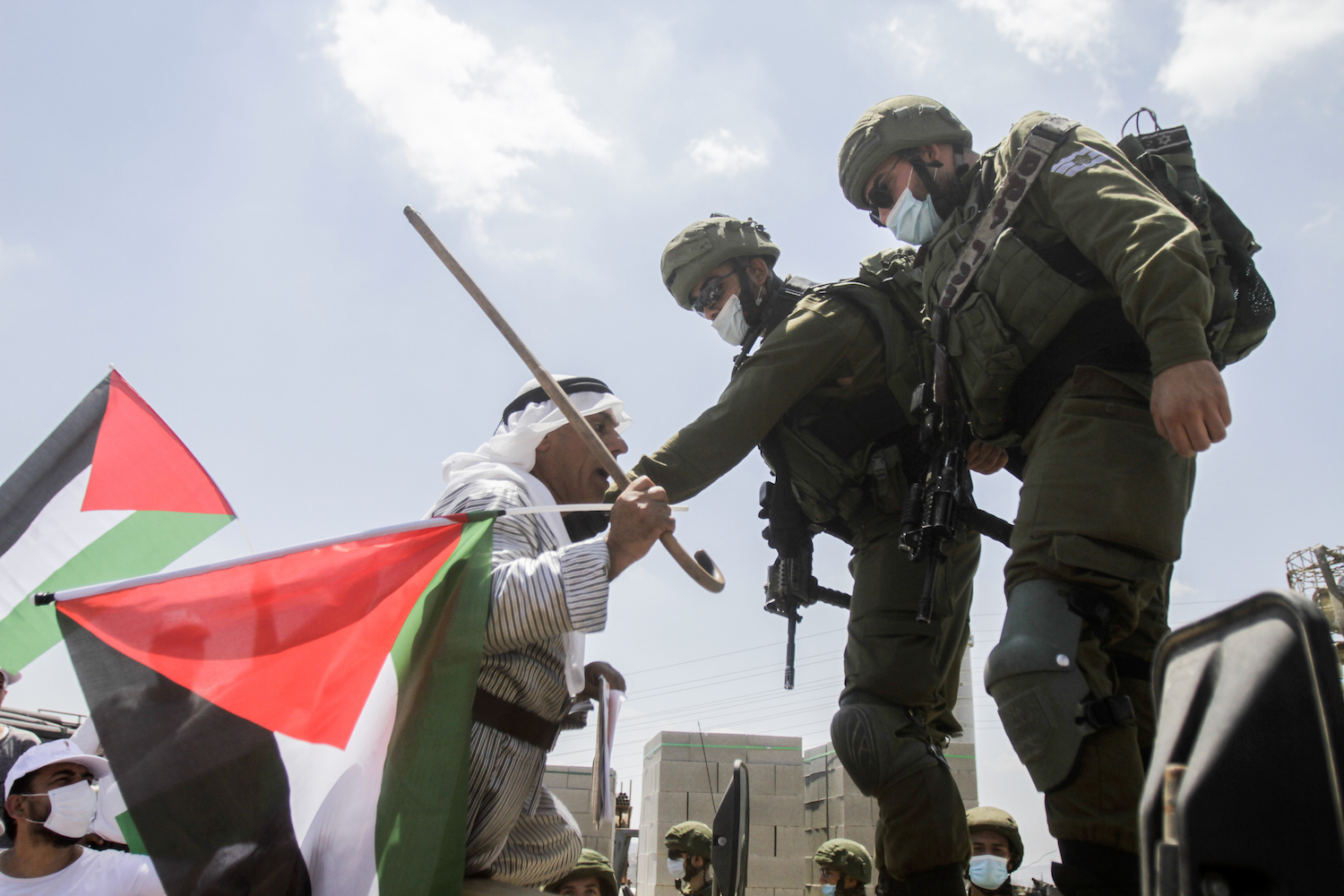
Non bisogna lasciarsi ingannare dal pensare che il più grande scandalo del 15 settembre sia stata la normalizzazione delle relazioni tra Emirati Arabi Uniti, Bahrein e Israele. Questo vorrebbe dire cadere nella trappola del panarabismo, i cui fallimenti e crimini non hanno più bisogno di dimostrazioni. Coloro che si aspettavano che gli oppressivi regimi del Golfo sostenessero i diritti dei palestinesi erano volontariamente ingenui. Gli Emirati Arabi Uniti e il Bahrain non hanno tradito la Palestina, né ci hanno pugnalato alle spalle. Non sono mai stati alleati . Proprio come Israele, sono stati costruiti sui cadaveri e attraverso il lavoro dei palestinesi e di altri gruppi oppressi.
Gli accordi di Abraham sono un'alleanza di repressione. Ciò che è stato firmato è una visione del mondo condivisa, violenta, oscura e tribale, dove la pace non può essere una realtà sconvolgente che altera il futuro. Pace, per i firmatari di questi accordi, significa schiacciare le voci del popolo. È semplicemente un sinonimo di "sblocco" per scambi liberi e senza restrizioni di tecnologia, finanza e armi.
La Palestina, sfortunato danno collaterale di questi accordi, rappresenta un futuro ribelle e pericoloso. Questo, al di là di ogni altra pretesa ideologica, è il motivo per il quale l'hanno respinta ai margini di questo testo e dei loro mondi.
On Tuesday, U.S. President Donald Trump, with much fanfare, hosted a ceremony for the signing of the so-called peace agreements between Israel, the United Arab Emirates, and Bahrain. With smug smiles plastered on their faces, Israeli Prime Minister Benjamin Netanyahu, Emirati Foreign Minister Sheikh Abdullah bin Zayed Al Nahyan, and Foreign Minister of Bahrain Abdullatif Al Zayani together hailed the dawn of a new period in the region. According to the poetically-titled Abraham Accords, the aforementioned heads of state and their representatives will work together to achieve a “stable, peaceful and prosperous” Middle East.
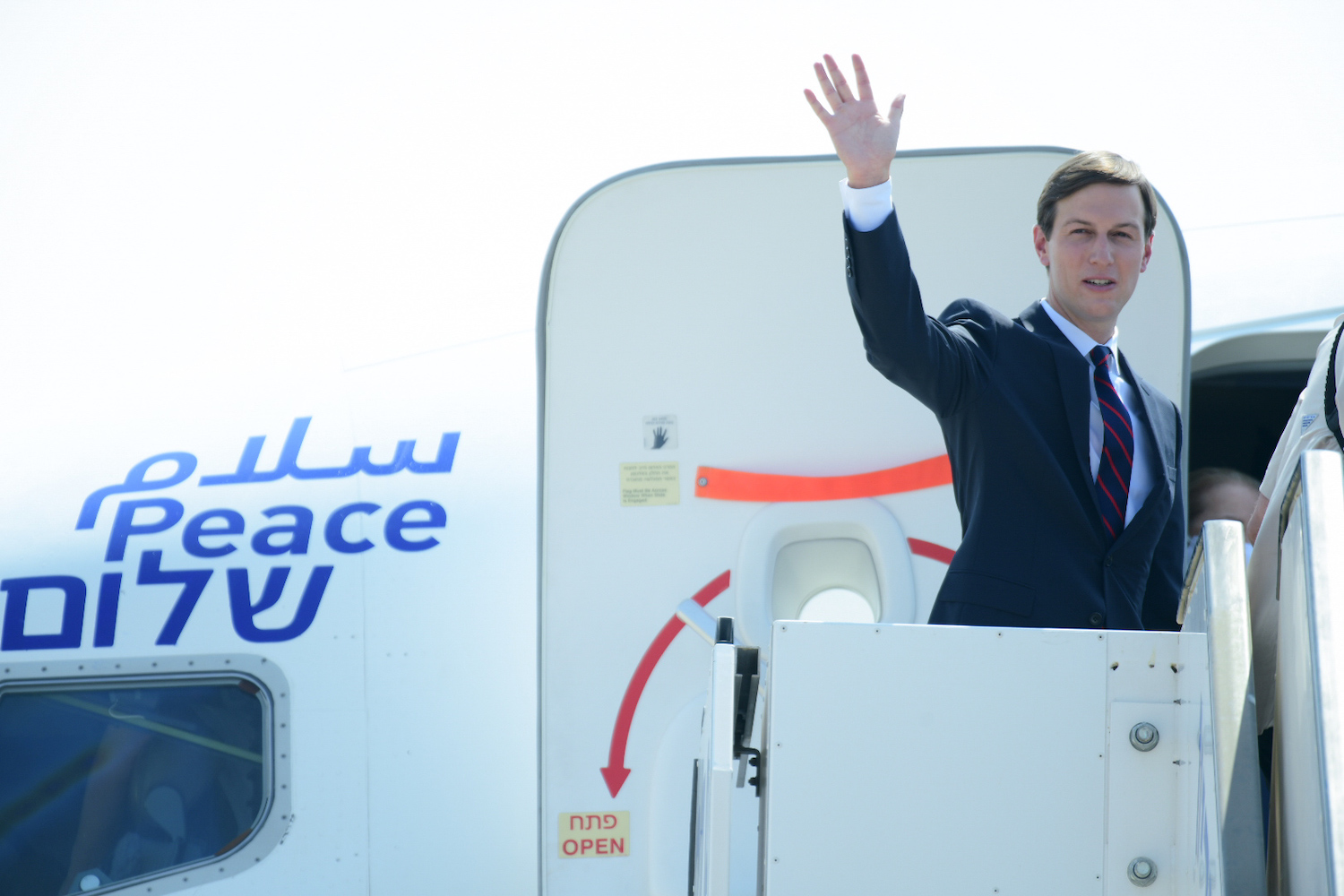
Peace and prosperity, uttered in the same breath as if they were a single term, were indeed the keywords of the ceremony and of the years-long process spearheaded by Trump’s senior advisor and son-in-law, Jared Kushner. Kushner is no neutral broker: he sits on the board of his parents’ foundation, which has funded programs in the Israeli settlement of Beit El.
Much has been said about this alleged peace treaty. It is mostly a strategic realignment of these countries against Iran and a blueprint for increasing authoritarianism in the region, which follows decades of clandestine relations and sharing of intelligence between Israel and the UAE.
Yet the accords remain a fiction — the fever dream of dictators. In the seven-page document, far-reaching issues such as the peaceful uses of outer space are repeatedly mentioned, but one would be hard-pressed to find any mention of Palestine. It only appears as half of an infamous adjective, when the text refers to the so-called Israeli-Palestinian conflict.
The rest of the agreement reads like a business proposal for cooperation between accelerationist theocracies that believe in colonizing Mars and the historicity of Abraham — but certainly not in the Palestinians’ right to self-determination, freedom or dignity. That erasure is an attempt to hasten the disappearance of Palestinians as a polity, a territory, and a nation.
In the text, one character steals the limelight: the eponymous patriarch Abraham, who is referred to here as if he had really existed, and whose bountiful seed spawned all those present at the ceremony. “The Parties undertake to foster mutual understanding, respect, co-existence and a culture of peace between their societies in the spirit of their common ancestor, Abraham,” the document reads, as if peace could only occur between those who shared a common ancestry. This betrays the signatories’ exclusive, wildly ethnocentric vision of what a just world should look like.
This wouldn’t be the first time that Abraham is used as an ecumenical symbol. It is a vapid but efficient strategy that requires expunging the Biblical text from its darker elements and flattening our geopolitical realities’ ugly, jagged edges.
According to various religious sources, Abraham left his homeland to become a sojourner in a land promised to him by a god. In its brightest interpretations, Abraham’s story is that of exile coalescing into promise; of belonging that blooms into becoming; of ossified identities surrendering themselves to defiant and vibrant futures. At its darkest, however, Abraham is an embodiment of religious dogma and obscurity; of patriarchy and enslavement; of violence visited upon innocent children because of blind faith; of the first colonizer, leaving the land of his fathers to settle another’s land. In short, everything the oppressive regimes that signed the accords believe in and thrive by.
On Tuesday, we were afforded the spectacle of religious extremists signing a futuristic manifesto for zealots. Religious extremists, by definition, attempt to force the world into the shape of their beliefs, often by twisting language and resorting to violence. The Abraham Accords thus endorse an ethnoreligious worldview, according to which — though without verifiable evidence — the Jewish people are descendants of Isaac and the Arabs are descendants of Ishmael, half-brothers now reunited after centuries of estrangement, thanks to the efforts of real-estate developer Jared Kushner and business magnate Donald Trump.
A world neatly divided into clear-cut ethnicities and religions (which, here, are the same thing) is sure to please Trump’s pro-Israel Evangelical base and Netanyahu’s right-wing voters. It’s an updated version of extremism, enhanced with talk of pioneering technology and techno-optimism to suit the dictatorial city-states of the Gulf and the unhinged colonialism of Israeli society, without shaking their respective bedrocks of religious identity and exclusionary politics.
Here, as often is the case with religious extremists, organized faith is an essential and coercive component of identity, rather than a series of acts and beliefs that can be reinvented, enriched, and liberating. Here, much like in Israel proper and in most Gulf states, there is no place for those who exist in liminal spaces and those whose labels are slightly more complicated. In the far-right hellscape drawn by this new axis, there is no place for Arab Jews, in their diversity, or Arab Christians, or Muslims who are not Arabs, or agnostics, or any other possible combination of faith, lack thereof, and communities that flourish across our region.
One shouldn’t be fooled into thinking that the biggest scandal on Sept. 15 was the normalization of relations between the UAE, Bahrain, and Israel. This would be falling into the trap of pan-Arabism, whose failures and crimes need no demonstration any more. Those who expected the oppressive Gulf regimes to support Palestinian rights were willfully naïve. The UAE and Bahrain did not betray Palestine, nor did they stab us in the back. They were never allies to begin with. Much like Israel, they were built on the corpses, and through the labor, of Palestinians and other oppressed groups.
The Abraham Accords are an alliance of repression. What was signed on is a shared worldview, violent, dark, and tribal, where peace cannot be an earth-shattering, future-altering reality. Peace, to the signatories of these accords, means squashing the voices of the people. It is merely a synonym to the “unlocking” (a favored word of the treaty and of Trump’s “Deal of the Century”) of the potential for free, unfettered exchanges of technology, finance, and weapons.
Palestine, an unfortunate collateral damage of these accords, represents a rebellious and dangerous future. This, beyond any other ideological claims, is why they have rejected it to the margins of this text, and of their worlds.
A lot of work goes into creating articles like the one you just read. +972 Magazine is nonprofit journalism based on the ground in Israel-Palestine. In order to safeguard our independent voice, we are proud to count you, our readers, as our most important supporters.
Become a member of +972 Magazine with a monthly contribution, so that we can keep our journalism as a strong, independent, and sustainable force changing the global discourse on Israel-Palestine.
Commenti
Posta un commento