B'Tselem . l'IDF ha ucciso 290 Palestinesi nel 2018
Sintesi personale
Nel 2018 , le forze di sicurezza israeliane hanno ucciso 290 palestinesi, tra cui 55 minori. Tra le vittime, 254 sono stati uccisi nella Striscia di Gaza, 34 in Cisgiordania (inclusa Gerusalemme Est) e due in Israele. Questi incidenti sono il risultato diretto della spericolata politica israeliana di fuoco aperto, autorizzata dal governo e dal massimo comando militare e sostenuta dal sistema giudiziario. Finché Israele aderirà a questa politica, nonostante i suoi prevedibili risultati, le vittime continueranno ad aumentare.
Nella Striscia di Gaza, le forze di sicurezza israeliane hanno ucciso 254 palestinesi, tra cui due donne e 47 minori, nel 2018. Delle vittime, 149 non hanno preso parte alle ostilità, 90 lo hanno fatto, e per quanto riguarda i rimanenti 15, B'Tselem non sa se hanno preso parte alle ostilità o no. Altri due palestinesi che non hanno preso parte alle ostilità hanno attraversato la recinzione in Israele e sono stati uccisi nelle vicinanze.
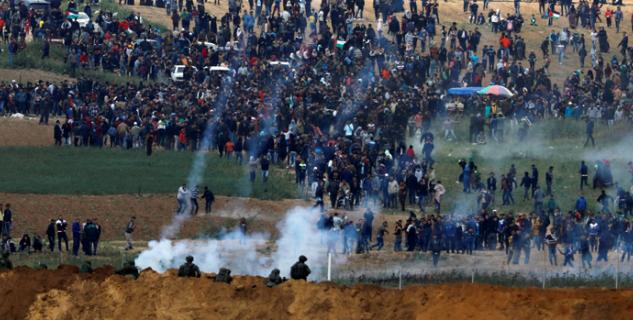
Dalla fine di marzo 2018 i palestinesi di Gaza hanno preso parte alla marcia di ritorno lungo il recinto con Israele. Durante queste proteste le forze israeliane usano un intenso fuoco vivo contro i manifestanti, in un modo che è sia illegale che immorale . Come risultato di questa politica di fuoco aperto, 190 dimostranti sono stati uccisi - il 65% di tutti i palestinesi uccisi dalle forze israeliane quest'anno. Questi includono una donna e 34 minori , tre dei quali avevano 11 anni e uno 4 anni. Molti di loro erano disarmati e non rappresentavano un pericolo per nessuno.
Altri due palestinesi, uno dei quali un adolescente di 15 anni, sono stati uccisi in manifestazioni tenute prima dell'inizio delle proteste . Quattro palestinesi - una donna incinta, sua figlia e due quattordicenni - sono stati uccisi in attacchi aerei nella Striscia di Gaza.
In Cisgiordania, inclusa Gerusalemme Est, le forze israeliane hanno ucciso 34 palestinesi, inclusi 7 minori. Tredici delle vittime, tra cui cinque minori, sono state uccise in proteste e incidenti che hanno coinvolto il lancio di pietre o poco dopo. Per quanto riguarda l'uccisione di un'altra persona, i militari hanno falsamente affermato che era stato ucciso durante scontri che includevano il lancio di pietre. Muhammad Habali , un giovane mentalmente disabile , è stato colpito alla testa da dietro mentre si allontanava dai soldati che sparavano a lui e si trovava a circa 80 metri di distanza. L'inchiesta di B'Tselem, che includeva riprese video, ha dimostrato che al momento delle riprese l'area era tranquilla e Habali non stava mettendo in pericolo nessuno.
Undici palestinesi, tra cui un diciassettenne, sono stati uccisi mentre attaccavano, tentavano di attaccare o presumibilmente tentavano di attaccare forze di sicurezza o civili israeliani, con le auto ,i pugnali , le pistole o altro . Le forze israeliane hanno sparato e ucciso altri tre palestinesi - 'Omar' Awwad, Hamdan 'Ardah e Qassem Abbasi (17) - sulla base del fatto che avevano tentato di effettuare attacchi con l'auto, un rapporto smentito in ogni caso.
I civili israeliani hanno ucciso tre palestinesi, tra cui un diciassettenne, che stavano attaccando o presumibilmente tentando di attaccare altri civili israeliani. Una donna palestinese, "Aishah Rabi, è stata uccisa da civili israeliani che hanno lapidato la macchina su cui viaggiava.
All'interno di Israele, un palestinese è stato ucciso quando un missile sparato da Gaza da parte di palestinesi ha colpito un appartamento nella città israeliana di Ashkelon.
Nel 2018, i palestinesi hanno ucciso sette civili israeliani in Cisgiordania, tra questi una donna e un bambino che sono morti tre giorni dopo che sua madre è stata ferita in un attacco e che i medici hanno fatto nascere al settimo mese di gravidanza. I palestinesi hanno anche ucciso sette membri delle forze di sicurezza israeliane: cinque in Cisgiordania, uno in servizio operativo a Gaza e uno nella parte israeliana della recinzione con Gaza.
Un'analisi degli episodi dove i palestinesi sono stati uccisi nell'ultimo anno rivela che la loro morte,nella maggior parte dei casi, è frutto della spericolata politica di fuoco vivo delle forze di sicurezza israeliane. Questa politica include, tra le altre cose, sparatorie per uccidere, incidenti definiti come "attacchi", ordini palesemente illegittimi che consentono il fuoco vivo contro dimostranti disarmati lungo la recinzione di Gaza-Israele, bombardamento di aree densamente popolate all'interno di Gaza. Nonostante i prevedibili risultati letali, Israele ha rifiutato di modificare la sua politica.
Questo continuo profondo disprezzo per la vita dei palestinesi è ampiamente supportato da alti responsabili delle politiche militari, del governo e del sistema giudiziario. Di norma, nessuno è ritenuto responsabile di questi incidenti e il sistema di applicazione della legge militare li imbianca . Dato questo supporto radicale e la mancanza di responsabilità per queste morti, tali incidenti continueranno.
In 2018, Israeli security forces killed 290 Palestinians, including 55 minors. Of the casualties, 254 were killed in the Gaza Strip, 34 in the West Bank (including East Jerusalem) and two within Israel. These incidents are a direct result of Israel’s reckless open-fire policy, authorized by the government and the top military command, and backed by the judicial system. As long as Israel adheres to this policy, despite its predictable outcomes, the casualties will continue to amass.
In the Gaza Strip, Israeli security forces killed 254 Palestinians, including two women and 47 minors, throughout 2018. Of the casualties, 149 did not take part in hostilities, 90 did, and regarding the remaining 15, B’Tselem does not know whether they took part in the hostilities or not. Two other Palestinians who did not take part in the hostilities, on of them a 17-year-old teenager, crossed the fence into Israel and were killed nearby.
Since late March 2018, Palestinians in Gaza have been holding the March of Return protests along the fence with Israel. During these protests, Israeli forces use extensive live fire against demonstrators, in a way that is both unlawful and immoral. As a result of this open-fire policy, 190 demonstrators have been killed – 65% of all Palestinians killed by Israeli forces this year. These include a woman and 34 minors, three of whom were 11-years-oldand one 4-year-old. Most of them were unarmed and posed no danger to anyone.
Another two Palestinians, one of them a 15-year-old teen, were killed in demonstrations held before the Return Protests began. Four Palestinians – a heavily pregnant woman, her infant daughter and two 14-year-olds – were killed in airstrikes within the Gaza Strip.
In the West Bank, including East Jerusalem, Israeli forces killed 34 Palestinians, including 7 minors. Thirteen of the casualties, including five minors, were killed in protests and incidents involving stone-throwing, or shortly afterwards. Concerning the killing of another person, the military falsely claimed that he was killed during confrontations that included stone-throwing: Muhammad Habali, a mentally challenged young man, was shot in the head from behind as he was moving away from the soldiers who fired at him, and who were standing about 80 meters away. B’Tselem’s investigation, which included video footage, proved that at the time of the shooting, the area was quiet and Habali was endangering no one.
Eleven Palestinians, including a 17-year-old, were killed while attacking, attempting to attack, or allegedly attempting to attack Israeli security forces or civilians – by ramming cars into them, stabbing, use of other cold arms or shooting. Israeli forces shot and killed three other Palestinians – ‘Omar ‘Awwad, Hamdan ‘Ardah and Qassem Abbasi (17) – on the grounds that they had tried to carry out attacks by car, a claim disproven in every case.
Israeli civilians killed three Palestinians, including a 17-year-old, who were attacking or allegedly trying to attack other Israeli civilians. A Palestinian woman, ‘Aishah Rabi, was killed by Israeli civilians who stoned the car she was riding in.
Within Israel, a Palestinian was killed when a rocket fired from Gaza by Palestinians hit an apartment in the Israeli city of Ashkelon.
In 2018, Palestinians killed seven Israeli civilians in the West Bank, including a woman and a baby who died three days after his mother was injured in an attack and doctors delivered him in the seventh month of pregnancy. Palestinians also killed seven members of Israel’s security forces – five in the West Bank, one on operative duty in Gaza, and one on the Israeli side of the fence with Gaza.
An analysis of the incidents in which Palestinians were killed over the last year reveals that most were the result of the reckless open-fire policy implemented by Israel’s security forces. This policy includes, among other things, shooting to kill incidents defined as “attacks”, giving patently unlawful orders that permit live fire at unarmed demonstrators by the Gaza-Israel fence, and bombarding densely populated areas within Gaza. Despite the predictable lethal outcomes, Israel has refused to alter its policy.
This ongoing profound disregard for the lives of Palestinians is broadly backed by senior policy-makers in the military, the government and the judicial system. As a rule, no one is held accountable for these incidents, and the military law enforcement system whitewashes them. Given this sweeping support and the lack of accountability for these deaths, such incidents will continue.
Commenti
Posta un commento