Iran: l'attacco missilistico in Siria ha ucciso 40 leader dell'ISIS
Sintesi personale
L'Iran ha dichiarato mercoledì che l' attacco missilistico
lanciato in Siria ha ucciso 40 "massimi leader" dello Stato
islamico e che l'intelligence per l'operazione era stata fornita dalla
sua forza Quds d'élite L'Iran ha sparato sei missili contro obiettivi nelle regioni di Abu
Kamal e Hajin, nella Siria orientale, in rappresaglia per l' attacco a una parata militare in Iran , 22 settembre, che ha ucciso 29 persone, quasi la metà membri delle Guardie rivoluzionarie. La Forza Quds è responsabile delle operazioni d'oltremare delle Guardie rivoluzionarie . Un
missile mostrato alla televisione di stato portava gli
slogan "La morte in America, la morte in Israele, la morte in Al Saud",
riferendosi alla famiglia al potere in Arabia Saudita.
Il missile riportava anche in arabo la frase "uccidere gli amici di
Satana", riferendosi a un versetto del Corano sulla lotta contro gli
infedeli.
Mohsen Rezaie, un ex comandante delle guardie, ha suggerito in un messaggio Twitter lunedì che sarebbero arrivati altri attacchi. "La punizione principale è in arrivo", ha scritto.
"Sulla base delle informazioni che abbiamo ricevuto, circa 40 alti leader di Daesh sono stati uccisi in questo attacco", il generale Amirali Hajizadeh, capo della divisione aerospaziale delle Guardie, ha riferito martedì ai media statali iraniani. "Uno dei punti salienti di questa operazione è dato dal fatto che la forza Quds ha fornito l'intelligenza necessaria per l'attacco". Lo Stato islamico e la resistenza nazionale di Ahwaz, un movimento separatista di etnia araba in Iran, hanno entrambi rivendicato l'attacco del 22 settembre, ma nessuno dei due ha presentato prove conclusive. Il sostegno militare iraniano è stato fondamentale per aiutare il presidente siriano Bashar Assad . L'Iran ha respinto le richieste degli Stati Uniti di lasciare la Siria.
Mohsen Rezaie, un ex comandante delle guardie, ha suggerito in un messaggio Twitter lunedì che sarebbero arrivati altri attacchi. "La punizione principale è in arrivo", ha scritto.
"Sulla base delle informazioni che abbiamo ricevuto, circa 40 alti leader di Daesh sono stati uccisi in questo attacco", il generale Amirali Hajizadeh, capo della divisione aerospaziale delle Guardie, ha riferito martedì ai media statali iraniani. "Uno dei punti salienti di questa operazione è dato dal fatto che la forza Quds ha fornito l'intelligenza necessaria per l'attacco". Lo Stato islamico e la resistenza nazionale di Ahwaz, un movimento separatista di etnia araba in Iran, hanno entrambi rivendicato l'attacco del 22 settembre, ma nessuno dei due ha presentato prove conclusive. Il sostegno militare iraniano è stato fondamentale per aiutare il presidente siriano Bashar Assad . L'Iran ha respinto le richieste degli Stati Uniti di lasciare la Siria.
Islamic state announces Islamic State group's 'top leaders' killed during…
Iran: Missile attack in Syria killed 40 ISIS leaders
Tehran
says Islamic State group's 'top leaders' were killed during strike it
launched on Syria Monday in retaliation for military parade attack last
month.
Iran said Wednesday that the missile attack
it launched in Syria on Monday had killed 40 "top leaders" of Islamic
State, and that intelligence for the operation had been provided by its
elite Quds Force.
Iran fired six missiles at targets in the Abu Kamal and Hajin regions in eastern Syria, in retaliation for an attack on a military parade in Iran on Sept. 22 that killed 29 people, nearly half of them members of its Revolutionary Guards.
The Quds Force is in charge of the Revolutionary Guards' overseas operations.
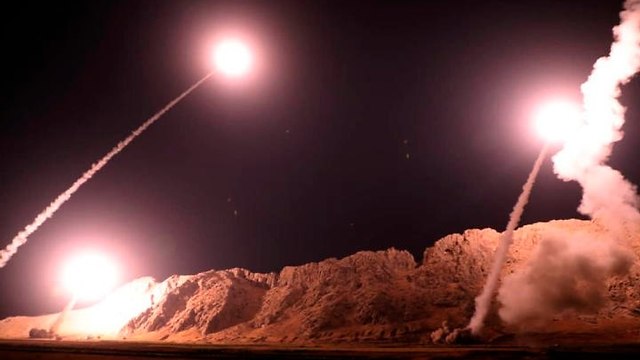
One missile that was shown on state television bore the slogans "Death to America, Death to Israel, Death to Al Saud," referring to Saudi Arabia's ruling family. The missile also bore in Arabic the phrase "kill the friends of Satan," referring to a verse in the Quran on fighting infidels.
Mohsen Rezaie, a former commander of the Guards, suggested in a Twitter message on Monday that more attacks were coming. "The main punishment is on the way," he wrote.
"Based on the information we have received, around 40 top leaders of Daesh were killed in this attack," General Amirali Hajizadeh, head of the Guards' aerospace division, was quoted on Tuesday by Iran's state media as saying. "Daesh" is a derogatory Arabic acronym for Islamic State.
"One of the highlights of this operation was that the Quds force had provided the intelligence needed for the attack," he added.
The Islamic State and the Ahwaz National Resistance, a separatist ethnic Arab movement in Iran, have both claimed responsibility for the Sept. 22 attack, but neither has presented conclusive evidence.
Iranian military support has been vital to helping Syrian President Bashar Assad through his country's civil war. Iran has dismissed US demands that it leave Syria.
Iran fired six missiles at targets in the Abu Kamal and Hajin regions in eastern Syria, in retaliation for an attack on a military parade in Iran on Sept. 22 that killed 29 people, nearly half of them members of its Revolutionary Guards.
The Quds Force is in charge of the Revolutionary Guards' overseas operations.
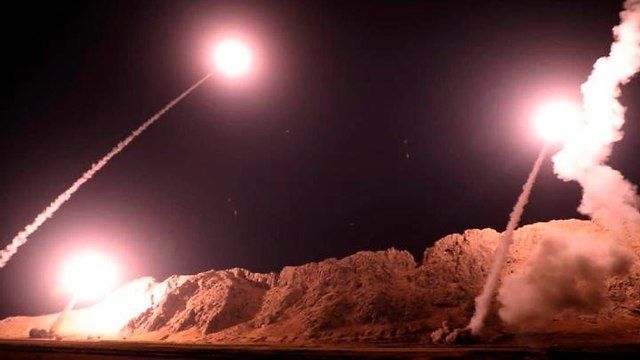
(Photo: AP)
One missile that was shown on state television bore the slogans "Death to America, Death to Israel, Death to Al Saud," referring to Saudi Arabia's ruling family. The missile also bore in Arabic the phrase "kill the friends of Satan," referring to a verse in the Quran on fighting infidels.
Mohsen Rezaie, a former commander of the Guards, suggested in a Twitter message on Monday that more attacks were coming. "The main punishment is on the way," he wrote.
"Based on the information we have received, around 40 top leaders of Daesh were killed in this attack," General Amirali Hajizadeh, head of the Guards' aerospace division, was quoted on Tuesday by Iran's state media as saying. "Daesh" is a derogatory Arabic acronym for Islamic State.
"One of the highlights of this operation was that the Quds force had provided the intelligence needed for the attack," he added.
The Islamic State and the Ahwaz National Resistance, a separatist ethnic Arab movement in Iran, have both claimed responsibility for the Sept. 22 attack, but neither has presented conclusive evidence.
Iranian military support has been vital to helping Syrian President Bashar Assad through his country's civil war. Iran has dismissed US demands that it leave Syria.
Commenti
Posta un commento